
By Timothy Albrite
Rwanda has secured a 10-year agreement to host a Formula 1 Grand Prix, ending the championship’s decades-long absence from Africa and placing the East African country on the world’s most prestigious motorsport calendar.
Formula 1 confirmed the agreement on Tuesday, 13 October 2026, with the African Grand Prix set to take place at a purpose-built circuit in Bugesera, south-east of the capital, Kigali. The first race is expected in the early 2030s, subject to the development of the venue.
The announcement marks a major development for African motorsport. Formula 1 last raced on the continent at the 1993 South African Grand Prix at Kyalami, near Johannesburg. Since then, the championship has expanded its international footprint without a permanent African round.
Rwanda’s agreement changes that prospect, giving the continent a confirmed route back onto the calendar after years of calls from fans, drivers and motorsport officials.
A new circuit for a new era
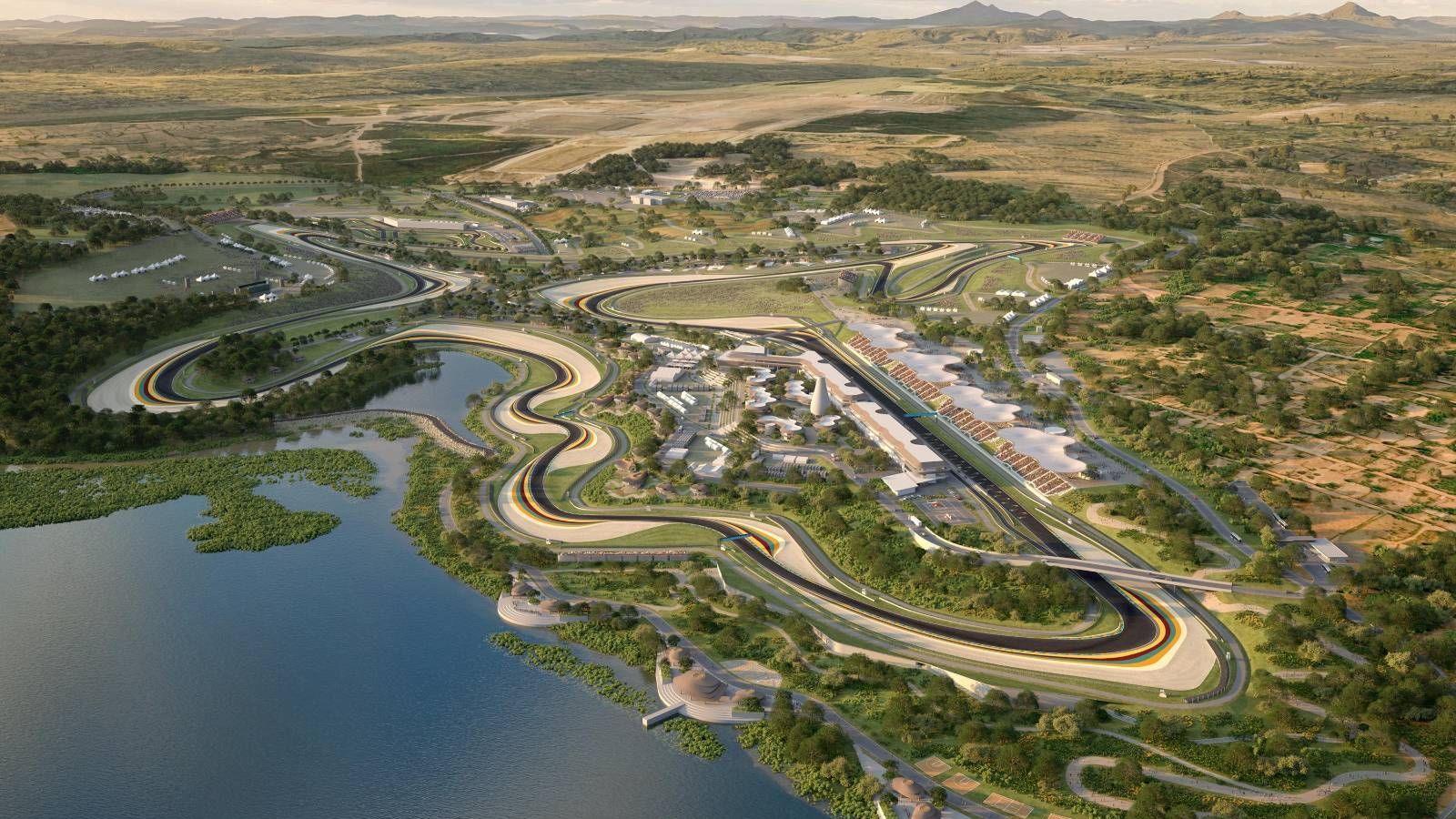
The proposed venue will be built near Bugesera International Airport, approximately 40 kilometres south of Kigali. Unlike a race staged on existing public roads, the project calls for a purpose-built circuit designed to meet Formula 1’s requirements.
The location links the race project to Rwanda’s wider investment in transport infrastructure and international tourism. However, the circuit remains to be constructed, with its completion a key milestone before the championship can race there.
Formula 1 president and chief executive Stefano Domenicali said Africa’s growing fan base and the sport’s ambition to reach audiences across every inhabited continent had helped make the return a priority.
The 10-year agreement also gives the project a longer planning horizon than a one-off event, although its commercial and tourism benefits will depend on how the venue, supporting infrastructure and race operations are developed.
For Rwanda, the Grand Prix offers an opportunity to position itself before a global audience that extends well beyond motorsport enthusiasts. A Formula 1 weekend brings international teams, sponsors, broadcasters, hospitality operators and spectators into the host market, creating potential demand across aviation, accommodation, transport and event services.
The scale of those benefits, however, will depend on visitor numbers, local business participation and the cost of delivering the event.
Hamilton’s long-standing ambition
The announcement also answers a long-running call from seven-time world champion Lewis Hamilton, who has repeatedly advocated for Formula 1 to return to Africa.
Hamilton has argued that the continent deserves a place on the championship calendar, given its history, population and growing interest in the sport. Rwanda’s deal gives that ambition a concrete path towards becoming reality, although the inaugural race is still several years away.
For African fans, hosting a Grand Prix would bring the sport closer to home. Travelling to races in Europe, Asia or the Americas can make attending a race weekend expensive and logistically demanding. A regional venue could widen access for spectators and create more opportunities for young Africans to engage with motorsport.
The potential extends beyond the grandstands. Formula 1 depends on a broad network of engineers, mechanics, technical specialists, logistics providers and event professionals. Building local skills and creating pathways into these fields would be an important measure of the project’s long-term value.
What it means for East Africa
Rwanda’s success puts East Africa at the centre of a development that could reshape the region’s motorsport profile.
Kenya already has an established connection to international rallying through the Safari Rally, a round of the FIA World Rally Championship. Formula 1 operates in a different category of motorsport, with its own technical demands, commercial model and infrastructure requirements. The two disciplines nevertheless demonstrate how major events can connect African destinations to global audiences.
For the wider region, a Grand Prix in Rwanda could create opportunities for tourism operators, airlines, hospitality businesses and transport providers. It could also encourage greater interest in automotive engineering, technical training and motorsport-related careers.
Those opportunities are not guaranteed. A successful event will require substantial investment, effective planning and a venue capable of meeting Formula 1’s demanding operational and safety standards. The ability to translate international exposure into lasting local economic activity will matter as much as the race itself.
The countdown begins
The confirmation moves Rwanda beyond the bidding stage, but the immediate task is now delivery. Construction of the circuit, supporting infrastructure and preparations for hosting a global championship will determine when the first cars take to the track.
The early-2030s target leaves time for that work, while the 10-year agreement establishes the intended duration of the partnership.
For Formula 1, the deal restores Africa to its global footprint. For Rwanda, it is a major international sporting commitment. For African motorsport fans, it brings a long-awaited prospect within reach.
The continent has waited more than three decades for Formula 1 to return. Now, the challenge is to build a Grand Prix that delivers on the promise of its arrival.