
What is behind the rise in new-vehicle sales and what it says about the Kenyan market
By Timothy Albrite
For a market that spent several years watching buyers delay vehicle purchases, Kenya’s new-vehicle market has given dealers something to smile about.
Between January and July 2026, dealers sold 9,757 new vehicles, according to Kenya Motor Industry Association (KMIA) data. That is up from the same period last year, following a 25.5 per cent increase in full-year sales in 2025. The first half of 2026 had already recorded 7,466 units, 19.4 per cent more than the 6,254 sold in the first six months of 2025.
But there is an important detail behind those numbers. The return of the new-car buyer is not simply a story about more Kenyans walking into showrooms to buy personal cars. Much of the growth is coming from businesses, transport operators, contractors and other users replacing or expanding their working fleets.
That distinction tells us quite a lot about where Kenya’s vehicle market stands in 2026.
Credit is becoming easier
One of the biggest pieces of the story is financing. The Central Bank of Kenya cut its Central Bank Rate several times between late 2024 and early 2026, taking it from 13 per cent in June 2024 to 8.75 per cent in February 2026. It has held the rate at 8.75 per cent since then. Commercial bank lending rates stood at an average 14.39 per cent in July 2026.
For someone considering a vehicle purchase through asset finance, the cost of borrowing matters almost as much as the price on the windscreen.
Lower interest rates do not suddenly make a new vehicle cheap. They can, however, make the monthly repayment easier to manage and bring some purchases that had been postponed back into consideration. Banks are also continuing to offer structured asset-financing products for commercial vehicles, with financing periods extending over several years.
For businesses, this can make the difference between keeping an ageing vehicle on the road and replacing it with a newer, more reliable unit.
The biggest buyer is often a business
The sales figures also challenge the traditional picture of the Kenyan new-car market.
Isuzu East Africa sold 4,724 vehicles in the first seven months of 2026, accounting for almost half of industry sales. Toyota followed with 1,977 units, while Sinotruk recorded 995.
These numbers reflect the importance of commercial vehicles to Kenya’s new-vehicle market. Pick-ups, trucks, buses and other working vehicles are bought because they generate income, move goods, transport people or support business operations. When companies have enough confidence to replace vehicles or expand their fleets, the effect can be felt quickly in showroom sales.
That is partly what happened in the first half of the year. Industry reporting linked the stronger sales to increased construction activity, business investment, cheaper credit and a more stable shilling.
So, while the phrase “new-car buyer” may bring to mind a family choosing its next SUV, the current recovery is also being powered by the Kenyan economy’s working vehicles.
New does not mean passenger cars are leading
There is another reason to look carefully at the numbers.
Kenya’s official registration data shows that the wider vehicle market grew in 2025, but the increase was not evenly spread across vehicle types. Total newly registered motor vehicles rose from 140,703 in 2024 to 142,994 in 2025. Lorries and trucks increased by 21.8 per cent, panel vans and pick-ups by 7 per cent, while saloon-car registrations fell by 22.5 per cent.
That tells us something important about today’s buyer. The market is not simply moving from used vehicles to new passenger cars. Buyers are making decisions around purpose, cost and the ability of a vehicle to earn its keep.
For a business owner, a new truck that spends most of its life carrying cargo is an investment in operations. For a family, a new SUV or saloon is a much more personal financial decision.
The two buyers respond differently to interest rates, fuel prices, income expectations and economic confidence.
Why buy new?
For years, Kenya’s vehicle market has been dominated by imported used vehicles. The attraction is obvious: a used import can put a vehicle within reach at a considerably lower purchase price than a comparable new model.
But the calculation changes when downtime, maintenance, warranty coverage, financing and predictable running costs enter the picture.
A business operating several vehicles cannot look only at the purchase price. A vehicle that spends too much time off the road can cost the business revenue.
This is one reason new vehicles continue to have a strong place in the commercial market. Buyers can also benefit from manufacturer warranties, dealer support and access to parts and servicing networks.
For private buyers, the calculation is different but increasingly similar. The question is not only “How much can I afford to spend?” but also “What will this vehicle cost me over the years I intend to own it?”
That is a more mature way of looking at vehicle ownership.
The market is recovering, but buyers remain careful
The latest figures should not be mistaken for a return to the kind of market where buyers purchase simply because financing is available.
July provided a useful reminder. New-vehicle sales fell 12.3 per cent month-on-month to 1,677 units, from 1,912 in June.
The underlying market therefore remains sensitive to affordability and business conditions.
Fuel prices, household costs, exchange rates, interest rates and confidence in future income still influence whether a buyer commits to a vehicle.
And for many Kenyans, the used-car market remains the more accessible route into vehicle ownership.
The new-vehicle recovery is therefore better understood as a sign of selective confidence rather than a wholesale shift in buying habits.
What this means for Kenya’s car market
The return of new-vehicle sales says something broader about the Kenyan market.
Buyers are still price-conscious. They are still looking for value. But where financing becomes more manageable and the vehicle has a clear economic purpose, some postponed purchases are coming back.
It also points to a market becoming more segmented.
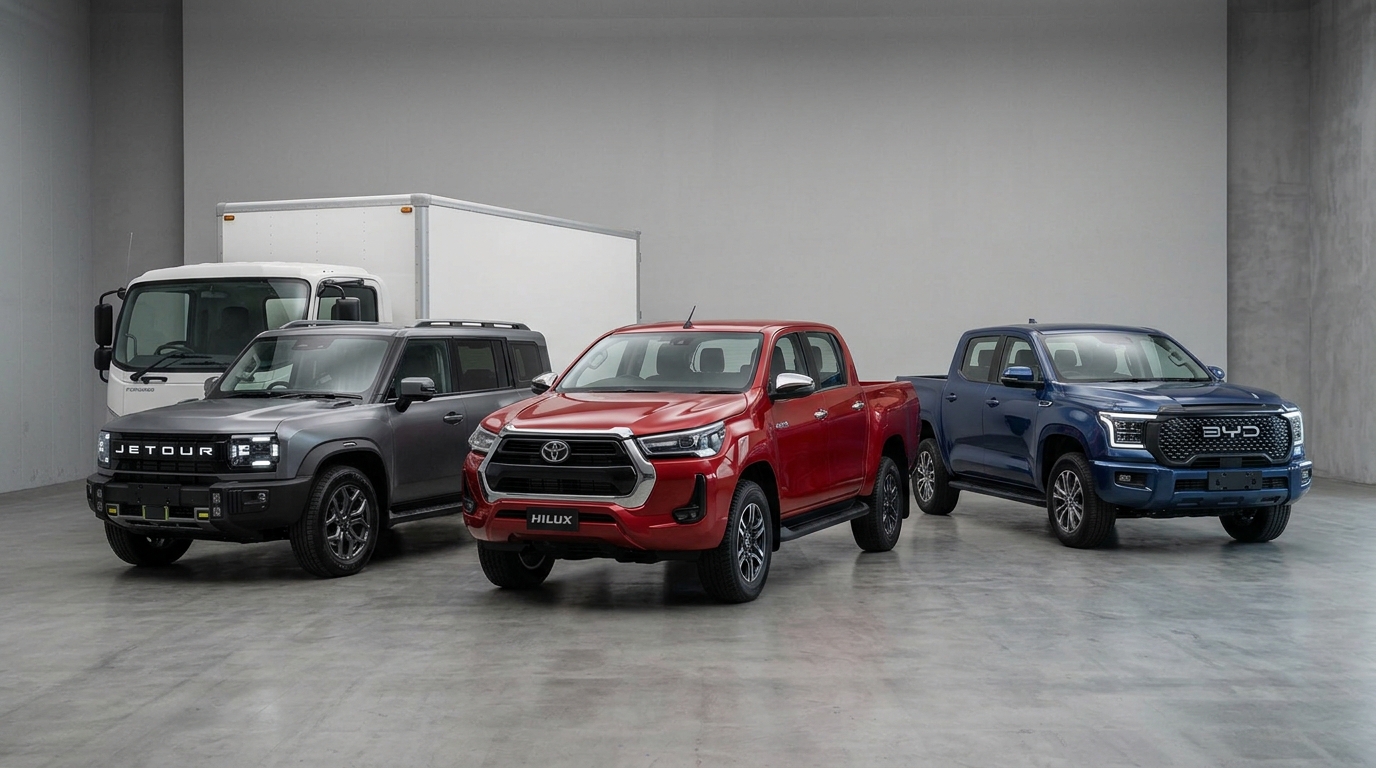
There is the business buying a truck to expand operations. The fleet manager replacing ageing vehicles. The contractor adding a pick-up. The family looking for a new SUV. The buyer comparing a new Chinese model with an established Japanese brand. And the motorist who still finds a used import makes more financial sense.
All of these buyers are shaping Kenya’s automotive market at the same time.
For motorists, the lesson is simple: a rising sales number does not automatically mean that buying new is the right decision for everyone. It means the conditions that support a new-vehicle purchase have improved for some buyers.
And that may be the most interesting part of the recovery.
oThe Brand New Car Buyer is Back!
What is behind the rise in new-vehicle sales and what it says about the Kenyan market
By Timothy Albrite
For a market that spent several years watching buyers delay vehicle purchases, Kenya’s new-vehicle market has given dealers something to smile about.
Between January and July 2026, dealers sold 9,757 new vehicles, according to Kenya Motor Industry Association (KMIA) data. That is up from the same period last year, following a 25.5 per cent increase in full-year sales in 2025. The first half of 2026 had already recorded 7,466 units, 19.4 per cent more than the 6,254 sold in the first six months of 2025.
But there is an important detail behind those numbers. The return of the new-car buyer is not simply a story about more Kenyans walking into showrooms to buy personal cars. Much of the growth is coming from businesses, transport operators, contractors and other users replacing or expanding their working fleets.
That distinction tells us quite a lot about where Kenya’s vehicle market stands in 2026.
Credit is becoming easier
One of the biggest pieces of the story is financing. The Central Bank of Kenya cut its Central Bank Rate several times between late 2024 and early 2026, taking it from 13 per cent in June 2024 to 8.75 per cent in February 2026. It has held the rate at 8.75 per cent since then. Commercial bank lending rates stood at an average 14.39 per cent in July 2026.
For someone considering a vehicle purchase through asset finance, the cost of borrowing matters almost as much as the price on the windscreen.
Lower interest rates do not suddenly make a new vehicle cheap. They can, however, make the monthly repayment easier to manage and bring some purchases that had been postponed back into consideration. Banks are also continuing to offer structured asset-financing products for commercial vehicles, with financing periods extending over several years.
For businesses, this can make the difference between keeping an ageing vehicle on the road and replacing it with a newer, more reliable unit.
The biggest buyer is often a business
The sales figures also challenge the traditional picture of the Kenyan new-car market.
Isuzu East Africa sold 4,724 vehicles in the first seven months of 2026, accounting for almost half of industry sales. Toyota followed with 1,977 units, while Sinotruk recorded 995.
These numbers reflect the importance of commercial vehicles to Kenya’s new-vehicle market. Pick-ups, trucks, buses and other working vehicles are bought because they generate income, move goods, transport people or support business operations. When companies have enough confidence to replace vehicles or expand their fleets, the effect can be felt quickly in showroom sales.
That is partly what happened in the first half of the year. Industry reporting linked the stronger sales to increased construction activity, business investment, cheaper credit and a more stable shilling.
So, while the phrase “new-car buyer” may bring to mind a family choosing its next SUV, the current recovery is also being powered by the Kenyan economy’s working vehicles.
New does not mean passenger cars are leading
There is another reason to look carefully at the numbers.
Kenya’s official registration data shows that the wider vehicle market grew in 2025, but the increase was not evenly spread across vehicle types. Total newly registered motor vehicles rose from 140,703 in 2024 to 142,994 in 2025. Lorries and trucks increased by 21.8 per cent, panel vans and pick-ups by 7 per cent, while saloon-car registrations fell by 22.5 per cent.
That tells us something important about today’s buyer. The market is not simply moving from used vehicles to new passenger cars. Buyers are making decisions around purpose, cost and the ability of a vehicle to earn its keep.
For a business owner, a new truck that spends most of its life carrying cargo is an investment in operations. For a family, a new SUV or saloon is a much more personal financial decision.
The two buyers respond differently to interest rates, fuel prices, income expectations and economic confidence.
Why buy new?
For years, Kenya’s vehicle market has been dominated by imported used vehicles. The attraction is obvious: a used import can put a vehicle within reach at a considerably lower purchase price than a comparable new model.
But the calculation changes when downtime, maintenance, warranty coverage, financing and predictable running costs enter the picture.
A business operating several vehicles cannot look only at the purchase price. A vehicle that spends too much time off the road can cost the business revenue.
This is one reason new vehicles continue to have a strong place in the commercial market. Buyers can also benefit from manufacturer warranties, dealer support and access to parts and servicing networks.
For private buyers, the calculation is different but increasingly similar. The question is not only “How much can I afford to spend?” but also “What will this vehicle cost me over the years I intend to own it?”
That is a more mature way of looking at vehicle ownership.
The market is recovering, but buyers remain careful
The latest figures should not be mistaken for a return to the kind of market where buyers purchase simply because financing is available.
July provided a useful reminder. New-vehicle sales fell 12.3 per cent month-on-month to 1,677 units, from 1,912 in June.
The underlying market therefore remains sensitive to affordability and business conditions.
Fuel prices, household costs, exchange rates, interest rates and confidence in future income still influence whether a buyer commits to a vehicle.
And for many Kenyans, the used-car market remains the more accessible route into vehicle ownership.
The new-vehicle recovery is therefore better understood as a sign of selective confidence rather than a wholesale shift in buying habits.
What this means for Kenya’s car market
The return of new-vehicle sales says something broader about the Kenyan market.
Buyers are still price-conscious. They are still looking for value. But where financing becomes more manageable and the vehicle has a clear economic purpose, some postponed purchases are coming back.
It also points to a market becoming more segmented.
There is the business buying a truck to expand operations. The fleet manager replacing ageing vehicles. The contractor adding a pick-up. The family looking for a new SUV. The buyer comparing a new Chinese model with an established Japanese brand. And the motorist who still finds a used import makes more financial sense.
All of these buyers are shaping Kenya’s automotive market at the same time.
For motorists, the lesson is simple: a rising sales number does not automatically mean that buying new is the right decision for everyone. It means the conditions that support a new-vehicle purchase have improved for some buyers.
And that may be the most interesting part of the recovery.
The new-car buyer is back, but they are coming back with a calculator.
The strongest editorial angle here is the “buyer is back, but with a calculator” idea. It gives the story a human point of view while avoiding the misleading impression that Kenya has suddenly become a mass new-passenger-car market.The Brand New Car Buyer is Back!
What is behind the rise in new-vehicle sales and what it says about the Kenyan market
By Timothy Albrite
For a market that spent several years watching buyers delay vehicle purchases, Kenya’s new-vehicle market has given dealers something to smile about.
Between January and July 2026, dealers sold 9,757 new vehicles, according to Kenya Motor Industry Association (KMIA) data. That is up from the same period last year, following a 25.5 per cent increase in full-year sales in 2025. The first half of 2026 had already recorded 7,466 units, 19.4 per cent more than the 6,254 sold in the first six months of 2025.
But there is an important detail behind those numbers. The return of the new-car buyer is not simply a story about more Kenyans walking into showrooms to buy personal cars. Much of the growth is coming from businesses, transport operators, contractors and other users replacing or expanding their working fleets.
That distinction tells us quite a lot about where Kenya’s vehicle market stands in 2026.
Credit is becoming easier
One of the biggest pieces of the story is financing. The Central Bank of Kenya cut its Central Bank Rate several times between late 2024 and early 2026, taking it from 13 per cent in June 2024 to 8.75 per cent in February 2026. It has held the rate at 8.75 per cent since then. Commercial bank lending rates stood at an average 14.39 per cent in July 2026.
For someone considering a vehicle purchase through asset finance, the cost of borrowing matters almost as much as the price on the windscreen.
Lower interest rates do not suddenly make a new vehicle cheap. They can, however, make the monthly repayment easier to manage and bring some purchases that had been postponed back into consideration. Banks are also continuing to offer structured asset-financing products for commercial vehicles, with financing periods extending over several years.
For businesses, this can make the difference between keeping an ageing vehicle on the road and replacing it with a newer, more reliable unit.
The biggest buyer is often a business
The sales figures also challenge the traditional picture of the Kenyan new-car market.
Isuzu East Africa sold 4,724 vehicles in the first seven months of 2026, accounting for almost half of industry sales. Toyota followed with 1,977 units, while Sinotruk recorded 995.
These numbers reflect the importance of commercial vehicles to Kenya’s new-vehicle market. Pick-ups, trucks, buses and other working vehicles are bought because they generate income, move goods, transport people or support business operations. When companies have enough confidence to replace vehicles or expand their fleets, the effect can be felt quickly in showroom sales.
That is partly what happened in the first half of the year. Industry reporting linked the stronger sales to increased construction activity, business investment, cheaper credit and a more stable shilling.
So, while the phrase “new-car buyer” may bring to mind a family choosing its next SUV, the current recovery is also being powered by the Kenyan economy’s working vehicles.
New does not mean passenger cars are leading
There is another reason to look carefully at the numbers.
Kenya’s official registration data shows that the wider vehicle market grew in 2025, but the increase was not evenly spread across vehicle types. Total newly registered motor vehicles rose from 140,703 in 2024 to 142,994 in 2025. Lorries and trucks increased by 21.8 per cent, panel vans and pick-ups by 7 per cent, while saloon-car registrations fell by 22.5 per cent.
That tells us something important about today’s buyer. The market is not simply moving from used vehicles to new passenger cars. Buyers are making decisions around purpose, cost and the ability of a vehicle to earn its keep.
For a business owner, a new truck that spends most of its life carrying cargo is an investment in operations. For a family, a new SUV or saloon is a much more personal financial decision.
The two buyers respond differently to interest rates, fuel prices, income expectations and economic confidence.
Why buy new?
For years, Kenya’s vehicle market has been dominated by imported used vehicles. The attraction is obvious: a used import can put a vehicle within reach at a considerably lower purchase price than a comparable new model.
But the calculation changes when downtime, maintenance, warranty coverage, financing and predictable running costs enter the picture.
A business operating several vehicles cannot look only at the purchase price. A vehicle that spends too much time off the road can cost the business revenue.
This is one reason new vehicles continue to have a strong place in the commercial market. Buyers can also benefit from manufacturer warranties, dealer support and access to parts and servicing networks.
For private buyers, the calculation is different but increasingly similar. The question is not only “How much can I afford to spend?” but also “What will this vehicle cost me over the years I intend to own it?”
That is a more mature way of looking at vehicle ownership.
The market is recovering, but buyers remain careful
The latest figures should not be mistaken for a return to the kind of market where buyers purchase simply because financing is available.
July provided a useful reminder. New-vehicle sales fell 12.3 per cent month-on-month to 1,677 units, from 1,912 in June.
The underlying market therefore remains sensitive to affordability and business conditions.
Fuel prices, household costs, exchange rates, interest rates and confidence in future income still influence whether a buyer commits to a vehicle.
And for many Kenyans, the used-car market remains the more accessible route into vehicle ownership.
The new-vehicle recovery is therefore better understood as a sign of selective confidence rather than a wholesale shift in buying habits.
What this means for Kenya’s car market
The return of new-vehicle sales says something broader about the Kenyan market.
Buyers are still price-conscious. They are still looking for value. But where financing becomes more manageable and the vehicle has a clear economic purpose, some postponed purchases are coming back.
It also points to a market becoming more segmented.
There is the business buying a truck to expand operations. The fleet manager replacing ageing vehicles. The contractor adding a pick-up. The family looking for a new SUV. The buyer comparing a new Chinese model with an established Japanese brand. And the motorist who still finds a used import makes more financial sense.
All of these buyers are shaping Kenya’s automotive market at the same time.
For motorists, the lesson is simple: a rising sales number does not automatically mean that buying new is the right decision for everyone. It means the conditions that support a new-vehicle purchase have improved for some buyers.
And that may be the most interesting part of the recovery.
The new-car buyer is back, but they are coming back with a calculator.