By Timothy Albrite
The automotive aftermarket industry is changing. As vehicles become more electronic, connected and technically complex, the businesses that repair, maintain and supply them are facing a new set of demands.
For Kenya, where the aftermarket supports thousands of motorists, workshops, parts dealers, distributors and fleet operators, the change is becoming increasingly relevant.
From advanced diagnostics and vehicle electronics to batteries, tyres, workshop equipment and solutions for hybrid and electric vehicles, the aftermarket is expanding beyond the traditional business of mechanical repairs and replacement parts.
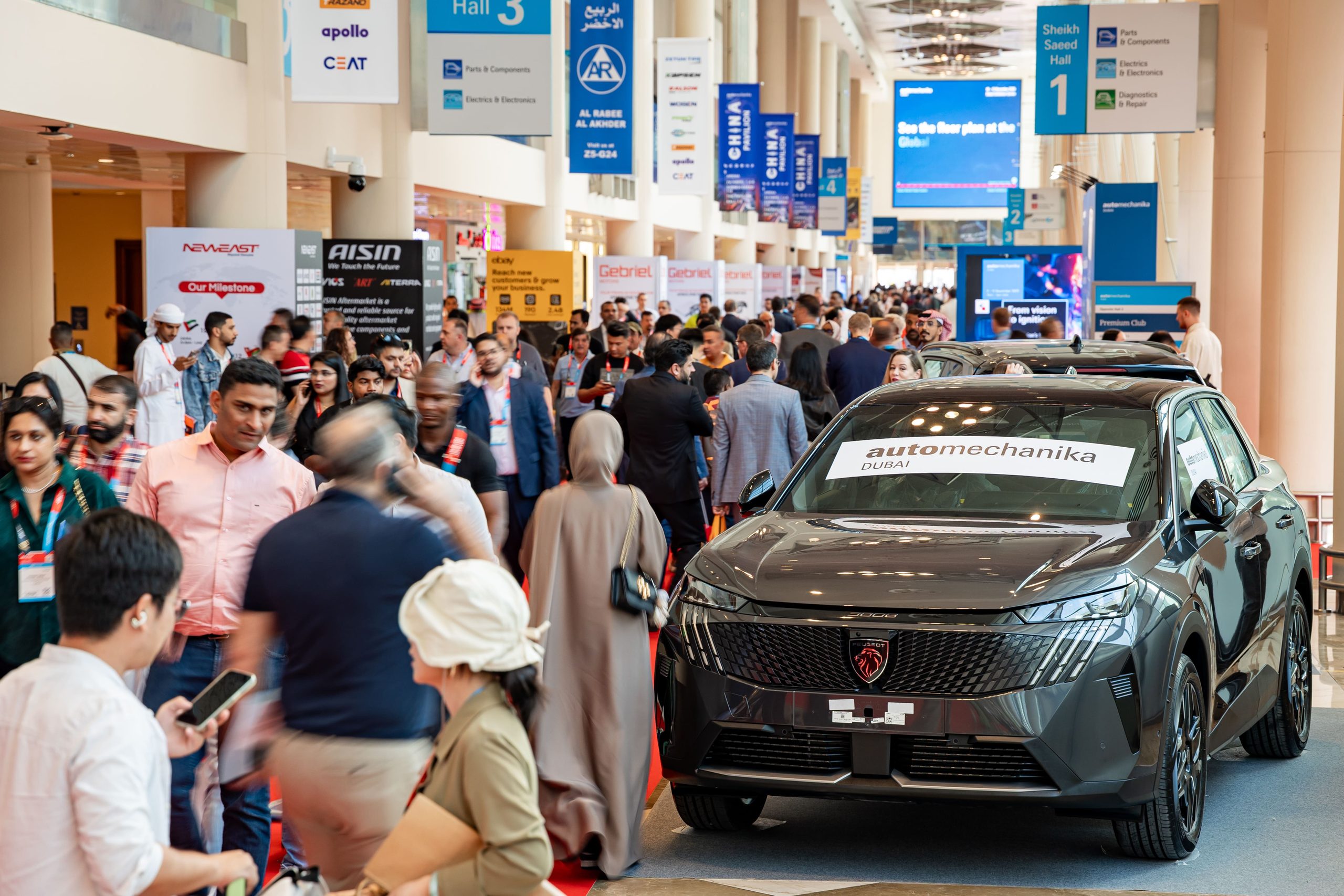
These changes will be visible at Automechanika Dubai, which returns from 10 to 12th November 2026 at Dubai Exhibition Centre, Expo City Dubai. The annual trade exhibition brings together manufacturers, distributors, workshop professionals and other automotive businesses across the global aftermarket, with product categories covering parts and components, tyres and wheels, batteries, electrics and electronics, diagnostics and repair, and digital solutions.
The vehicles entering the market are becoming more diverse. Alongside conventional petrol and diesel models, hybrids, electric vehicles and increasingly connected cars are creating new requirements for servicing and repair.
That means a workshop’s traditional mechanical skills may no longer be enough. Technicians increasingly need access to modern diagnostic equipment and training to understand electronic systems, sensors, advanced driver assistance systems and, in the case of electrified vehicles, high-voltage systems.
The same shift is affecting the parts business. As more vehicle brands enter the market, distributors and parts dealers have to manage a wider range of components. Filters, brake parts, suspension components, batteries, tyres and electronic parts all have to be sourced and stocked for an increasingly varied vehicle population.
For businesses, this makes sourcing, product knowledge and inventory management more important than ever.
Automechanika Dubai’s programme reflects this changing landscape, with areas dedicated to diagnostics, repair, electrics and electronics, batteries and technology, digital solutions and equipment for different vehicle technologies.
The event also has a specific African focus through AfriConnections, which connects African buyers with international suppliers and provides a platform for discussions around sourcing, trade and aftermarket development.
That is particularly relevant to Kenya’s distributors and importers, who increasingly operate within international supply chains. The relationships built at major industry exhibitions can influence which products, technologies and equipment eventually become available in local markets.
But the shift is not simply about new technology. It is also about skills. A modern vehicle can only be maintained properly if the people working on it understand the systems inside it. As the vehicle population evolves, technician training will become an increasingly important part of the aftermarket’s future.
For Kenyan workshops, distributors and fleet operators, this creates both a challenge and an opportunity. Businesses that understand changing vehicle technology, invest in appropriate equipment and keep their technical teams trained will be better positioned as the market evolves.
Automechanika Dubai offers one opportunity to see that transition at close range, meet international suppliers and assess products and technologies entering the aftermarket.
Planning to visit?
Automechanika Dubai 2026 takes place from 10–12th November 2026 , from 10am to 6pm each day, at the Dubai Exhibition Centre (DEC), Expo City Dubai. The exhibition is aimed at trade professionals, including automotive businesses, workshops, distributors, manufacturers and fleet operators.
The venue is connected to the Dubai Metro through Expo 2020 Station, with taxis, buses and ride-hailing services also available. Visitors can also access more than 10,000 parking spaces at the venue.
For those travelling from Kenya, the official visitor planning information includes details on accommodation, travel, visas and getting to the venue.
If you work in Kenya’s automotive aftermarket, this is an opportunity to see where the industry is heading, meet potential suppliers and explore technologies that could eventually find their way into the local market.
[Register to visit Automechanika Dubai]
The aftermarket is changing. The businesses that understand that shift early will be better placed for what comes next.