
By Timothy Albrite
Toyota has ended production of several cars that remain a common sight on Kenyan roads.
For many Kenyan motorists, some Toyota models seem almost impossible to imagine disappearing.
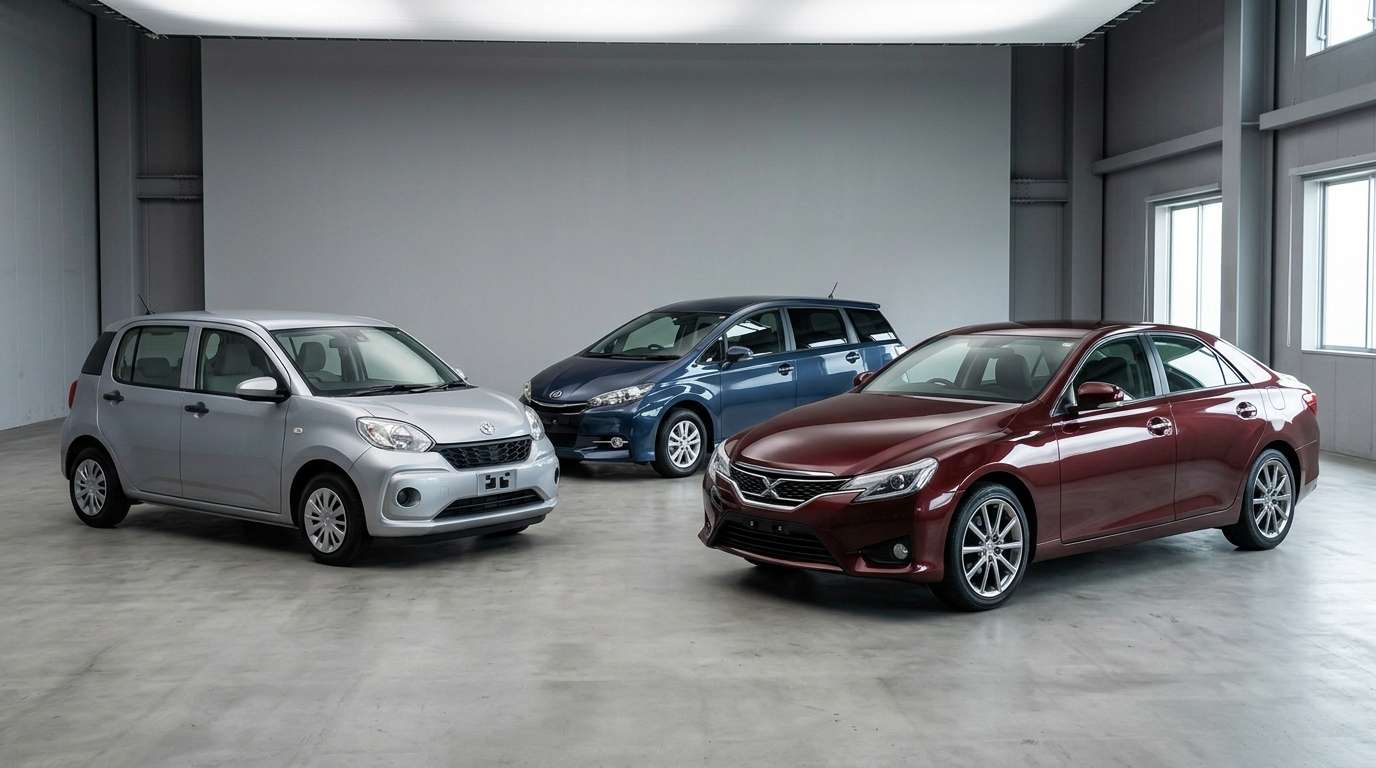
The Corolla Axio. The Fielder. The Premio. The Allion. The Wish. The Mark X. They have become such familiar sights on Kenyan roads that it is easy to forget that several of them are no longer being produced.
Toyota has, over the years, quietly retired a number of models as its global line-up has changed. Some were replaced by newer models, while others disappeared as the market shifted towards SUVs, hybrids and newer compact cars.
Yet discontinuation has not meant disappearance in Kenya. Because Kenya relies heavily on imported used vehicles, a Toyota can remain a popular choice here long after production has ended in Japan.
Here are seven of them.
1. Toyota Corolla Fielder – 2025
Few discontinued Toyotas are as relevant to the Kenyan market as the Corolla Fielder.
The station wagon, together with the Corolla Axio, was officially scheduled to end production in Japan at the end of October 2025, bringing the curtain down on the long-running E160 generation. Toyota announced the production end in February 2025.
The Fielder became popular in Kenya for a simple reason: it offered practicality without the running costs associated with a larger SUV.
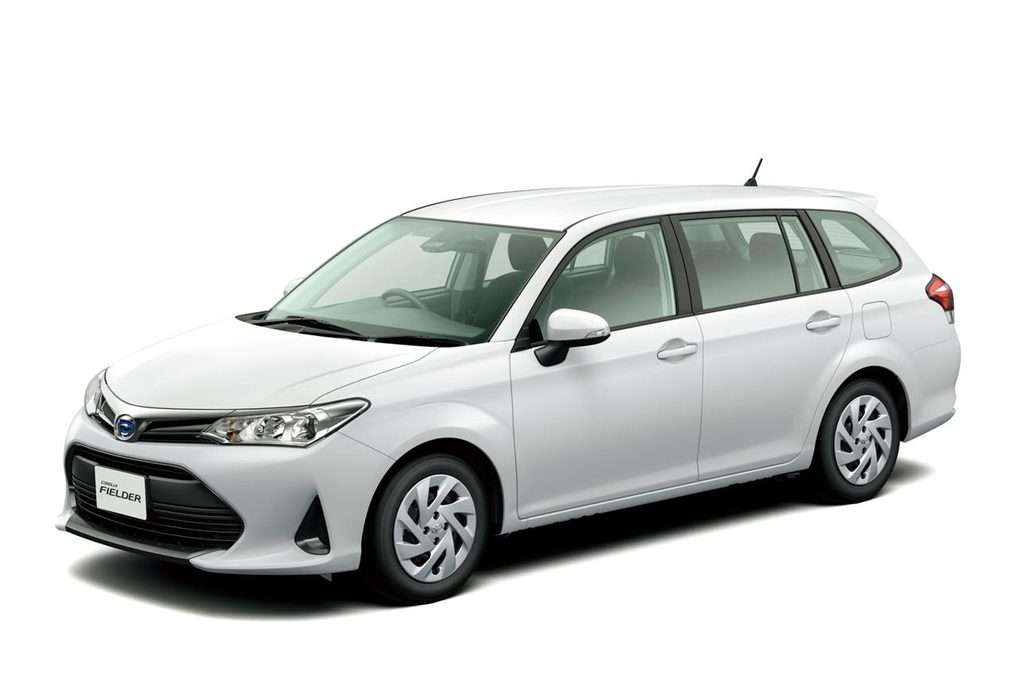
Its wagon body provides useful cargo space, while the relatively compact dimensions make it easy to use in urban areas. Fuel economy, reliability and the availability of parts have also helped establish it as a favourite among Kenyan buyers.
Its discontinuation, however, does not mean Kenyan buyers will suddenly stop seeing Fielders.
Vehicles already produced will continue entering the Kenyan market as used imports, subject to local import regulations. In other words, the Fielder’s production may have ended, but its Kenyan life is far from over.
2. Toyota Corolla Axio – 2025
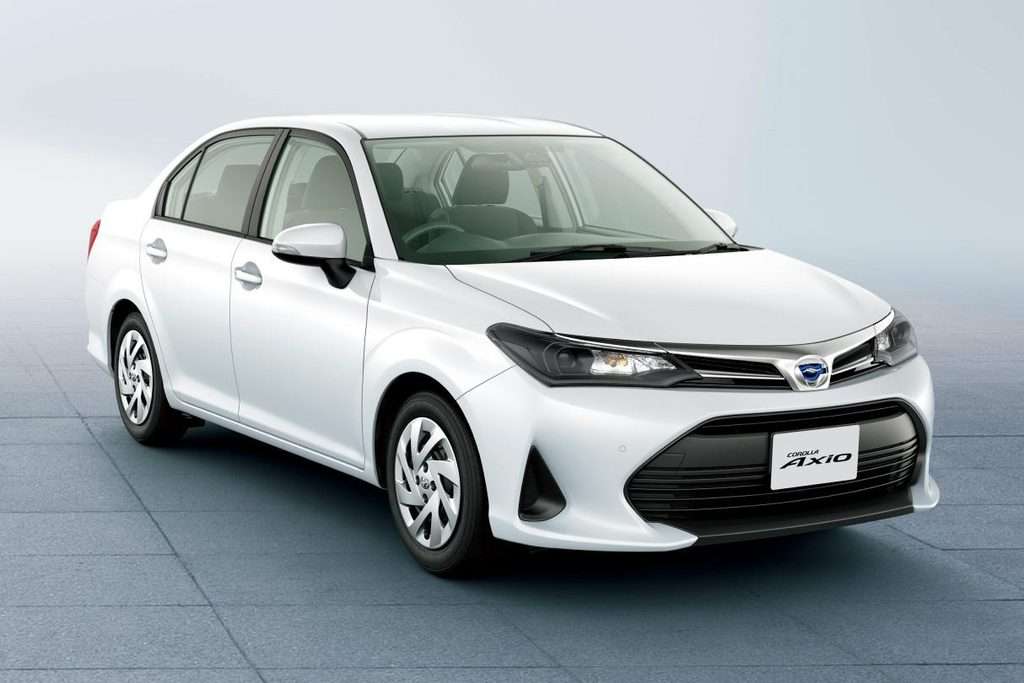
The Axio shares the same final chapter as the Fielder.
Toyota ended production of the Corolla Axio in October 2025, after more than a decade of production of the E160 generation.
In Kenya, the Axio established itself as one of the go-to compact sedans for buyers looking for a relatively affordable and economical car.
Its appeal has been particularly strong among motorists who want a straightforward daily driver without the size and fuel requirements of a larger vehicle.
The Axio’s disappearance from Toyota’s Japanese production lines therefore does not immediately translate into disappearance from Kenyan roads.
In fact, its popularity could keep the model in Kenya’s used-car market for years.
3. Toyota Premio – 2021
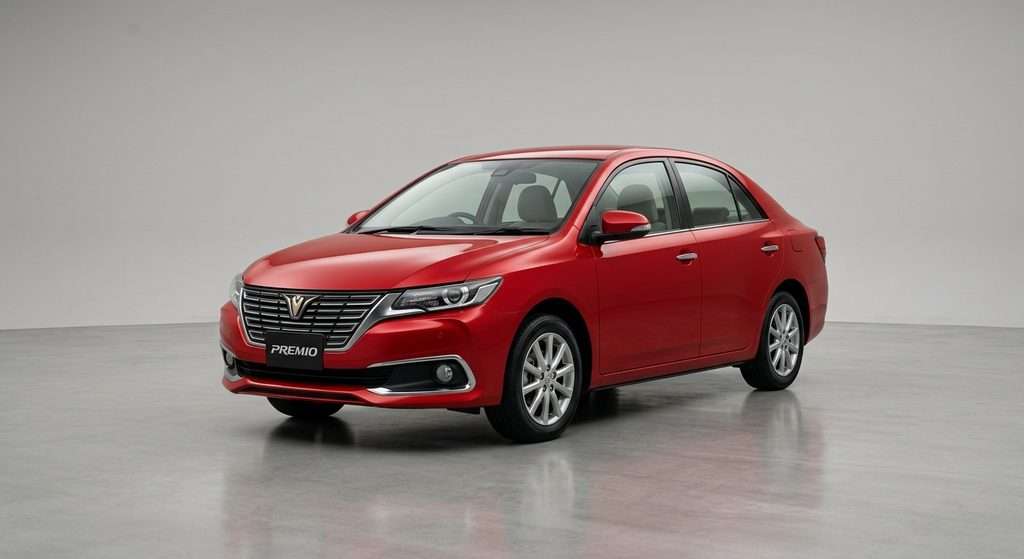
The Premio is one of the best examples of how a discontinued Japanese-market sedan can develop a second life in Kenya.
Toyota ended production of the Premio in March 2021. Toyota’s own vehicle catalogue records the final generation as running through March that year.
The Premio occupied a more upmarket position than the Axio, offering the kind of comfortable, understated sedan that became particularly popular among Kenyan private and business users.
It also shared much of its mechanical DNA with the Allion, making both cars familiar names among used-car buyers.
Despite being out of production for several years, the Premio remains widely recognised in Kenya.
That is partly because its reputation was established long before production ended. For buyers who value comfort, reliability and relatively straightforward maintenance, the model remains an attractive used-car option.
4. Toyota Allion – 2021
The Allion disappeared at almost exactly the same time as the Premio.
Toyota records show that the Allion ended production in March 2021.
The two models were closely related, with the Allion positioned as a slightly sportier alternative to the more formal-looking Premio.
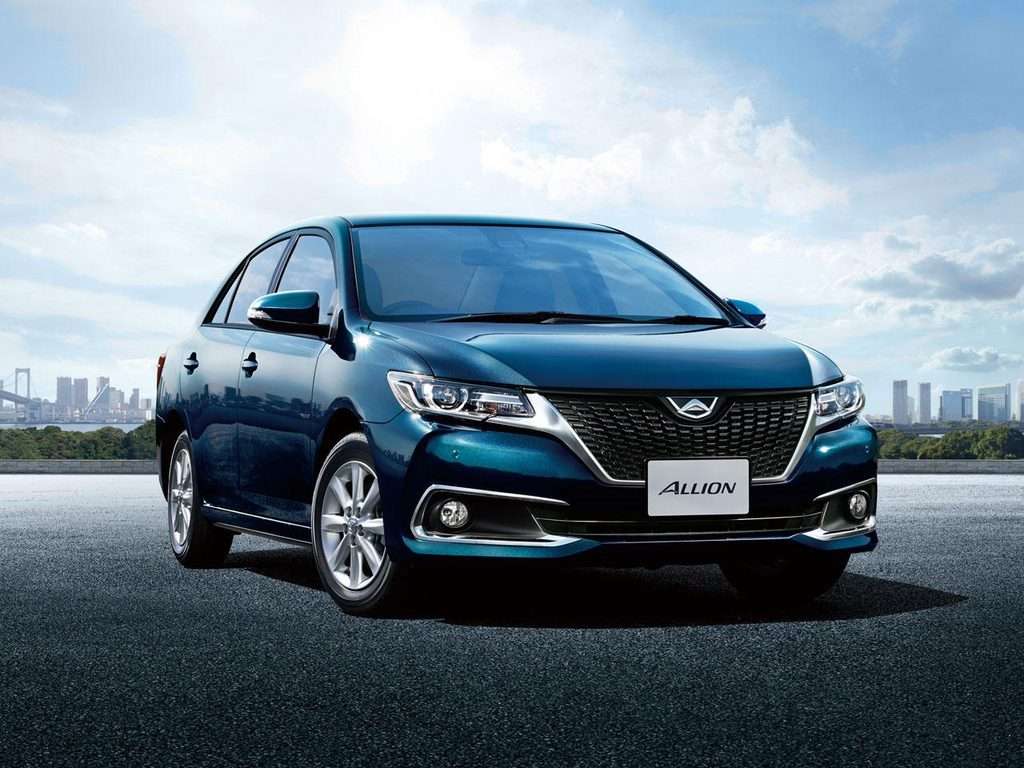
In Kenya, however, the distinction often matters less than the condition and specification of the individual vehicle.
Both became popular because they offered a combination of comfort, fuel economy and Toyota’s reputation for reliability.
Their discontinuation was part of Toyota’s wider streamlining of its Japanese sedan line-up, but the cars remain well established in Kenya’s second-hand market.
5. Toyota Wish – 2017
The Toyota Wish disappeared much earlier than the Axio and Fielder.
Production of the final generation ended in October 2017. Toyota’s records show the model’s final production period running through that month.
The Wish was a practical alternative for buyers who needed more passenger and cargo space without moving into a larger SUV.
That formula worked particularly well in Kenya.
Families appreciated its additional seating capacity, while its relatively low-slung design and car-like driving characteristics made it less cumbersome than many larger seven-seaters.
But the market changed.
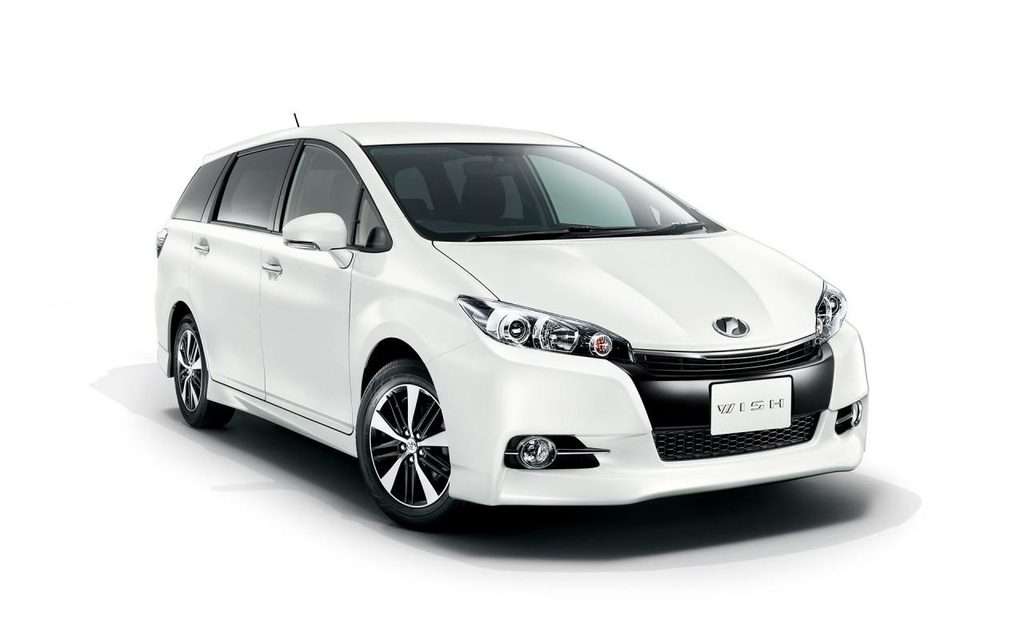
As buyers increasingly moved towards SUVs and higher-riding vehicles, traditional MPVs such as the Wish became harder to justify in manufacturers’ line-ups.
The Wish disappeared from production, but it remains a familiar sight on Kenyan roads.
6. Toyota Mark X – 2019
The Mark X represented a very different side of Toyota.
It was a rear-wheel-drive executive sedan, available with larger engines and a more performance-oriented character than many of the economical Toyotas that dominate Kenya’s used-car market.
Toyota’s own records show the final Mark X generation ended in December 2019.
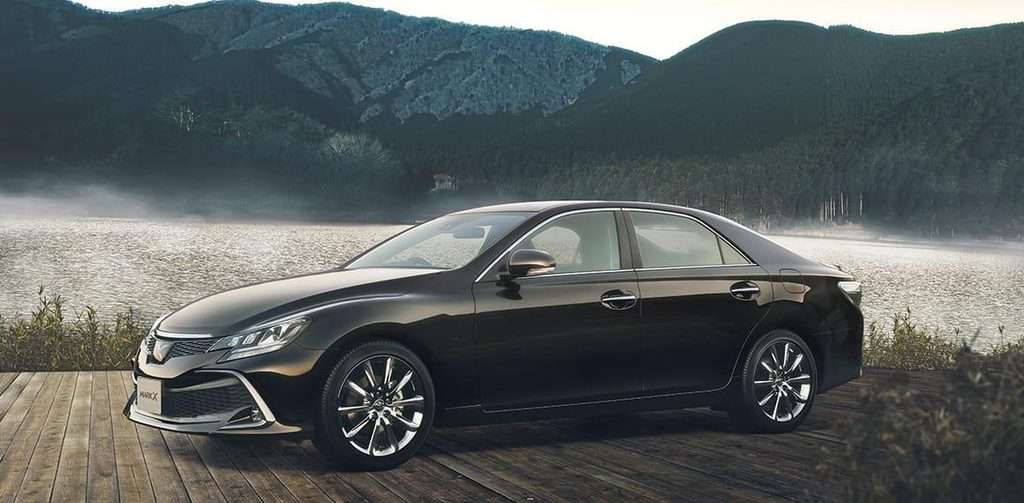
The final models used 2.5-litre and 3.5-litre engines, with rear-wheel drive or four-wheel drive depending on specification.
The Mark X was eventually caught by the broader decline of traditional sedans and the industry’s move towards SUVs and other vehicle formats.
But in Kenya, the name still carries considerable weight.
For enthusiasts, the Mark X offers something increasingly difficult to find in modern cars: a relatively affordable Japanese executive sedan with rear-wheel drive and a naturally aspirated V6 option.
Toyota no longer makes it, but demand for good examples remains.
7. Toyota Passo – 2023
The Passo was one of Toyota’s smallest cars and another model that developed a following among buyers looking for an affordable city car.
Toyota officially announced that production of the Passo would end in September 2023.
The compact hatchback was particularly suited to urban driving, with its small dimensions making it easy to manoeuvre and park.
Its disappearance was part of Toyota’s changing small-car strategy, including its relationship with Daihatsu.
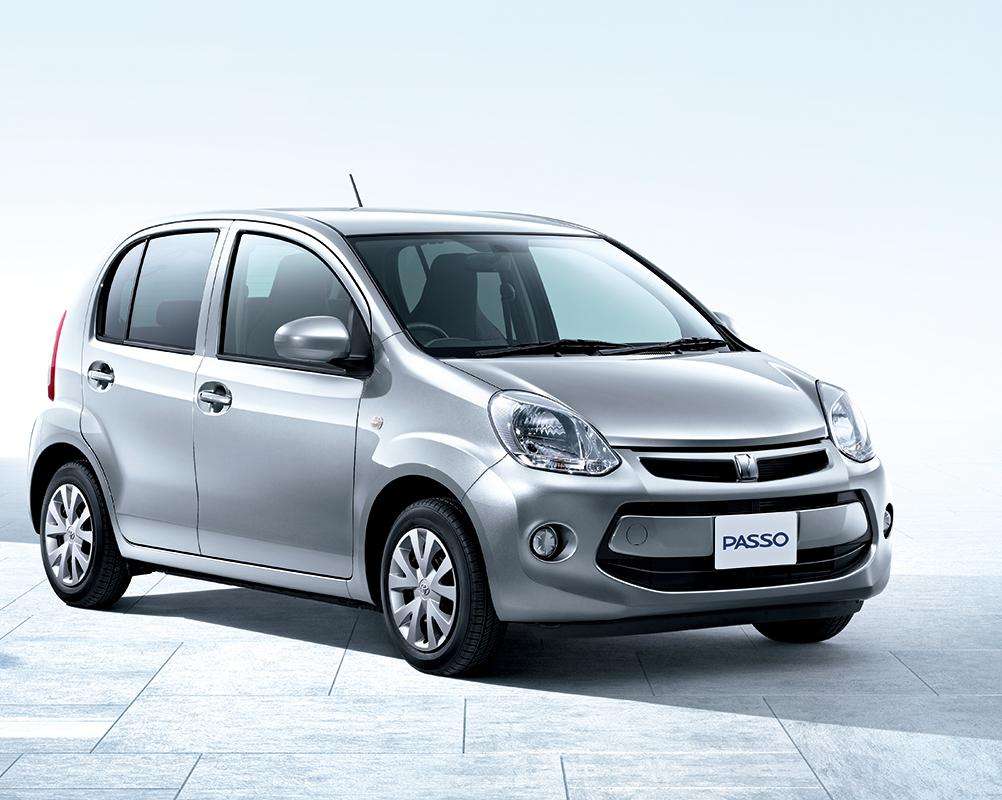
For Kenyan buyers, however, the Passo remains relevant because used examples continue to circulate in the market.
Like the other models on this list, the end of production does not immediately end demand.
Why discontinued Toyotas remain popular in Kenya
There is an important difference between a car being discontinued and a car becoming obsolete.
For Kenyan motorists, a discontinued model can remain attractive for years if it has an established reputation, readily available spare parts and a strong network of mechanics familiar with it.
The country’s used-car market also works differently from markets where buyers mainly purchase new vehicles directly from manufacturers.
A model can disappear from Japanese showrooms while still arriving in Kenya as a used import.
That is why cars such as the Premio, Allion, Wish, Axio and Fielder continue to have a presence on Kenyan roads despite being absent from Toyota’s current Japanese production line-up.
It also explains why the end of production does not necessarily make a Toyota a bad buy.
For a prospective buyer, the condition of the individual vehicle, its service history, mileage, accident history and availability of parts can matter far more than whether the manufacturer still produces the model.
The Toyota models Kenya is not ready to forget
Toyota’s product line-up is changing.
The manufacturer has increasingly moved towards newer platforms, hybrids, electrified vehicles and SUVs, while some traditional sedans and MPVs have disappeared.
Kenya, however, has its own automotive timeline.
A model can be discontinued in Japan today and remain a familiar part of Kenyan motoring for another decade. Toyota may have stopped making them. Kenyans, it seems, are not finished with them yet.