
By Timothy Albrite
Every car carries a hidden signature: the Vehicle Identification Number, or VIN.
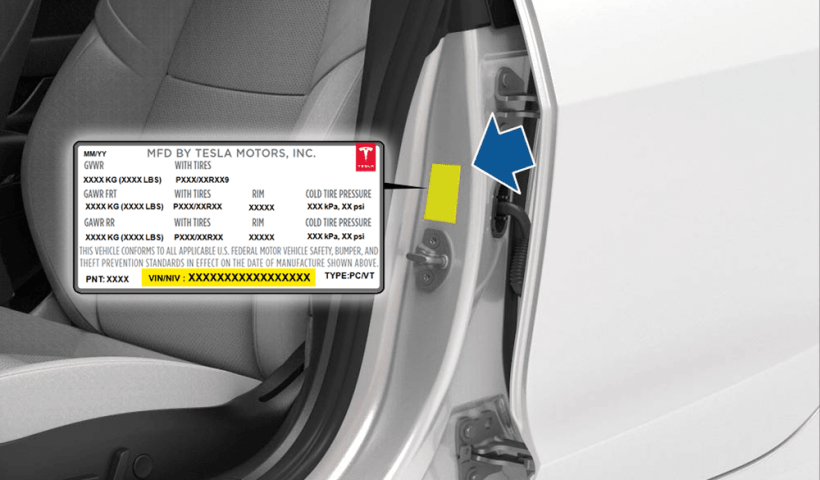
For many drivers, it’s just a line of 17 characters stamped on the dashboard or inside the door. Easy to ignore. Yet that code is the car’s digital fingerprint, and understanding it can save money, prevent fraud, and in some cases, protect lives.
VINs have been standard worldwide since 1981. Each one holds key details about a vehicle’s origin, make, model and history. The code is split into three sections:
World Manufacturer Identifier (WMI) – The first three characters point to the country of origin and manufacturer. For instance, “J” stands for Japan, “K” for Korea, and “W” for Germany.
Vehicle Descriptor Section (VDS) – Characters four to nine outline the model, body type, engine and safety features. This helps separate similar models built in different factories.
Vehicle Identifier Section (VIS) – The final set shows the production year, assembly plant and serial number details unique to that specific car.
For Kenyan motorists, this goes beyond technical detail. It’s a practical tool, especially when buying a used vehicle. With many units imported from Japan, the UAE and Europe, issues like altered logbooks and questionable mileage are common. A VIN check helps confirm:
- Mileage – Odometer readings can be manipulated to push up resale value.
- Accident history – Records may show past crashes or flood damage.
- Theft status – Stolen vehicles can be flagged early.
- Logbook accuracy – The VIN on the car should match registration records.
VINs also come into play with insurance and warranties. If the number has been tampered with, claims can be rejected. Manufacturers rely on it when issuing recalls.
There’s value on the resale side too. Cars with a clean, traceable VIN history tend to attract more serious buyers and better prices. It builds confidence on both sides of the deal.
Authorities use VINs to track stolen or illegally imported vehicles. Missing or altered numbers are often the first sign something is off.
The takeaway is straightforward: treat the VIN like a title deed. It tells the story the eye can’t see. Whether buying new or imported, checking it should come first—before payment or paperwork.
Overlooking it can be costly. In a market dominated by imports, a quick VIN check can make all the difference.