
By Paul Karuga Njuguna
Speed cameras and vehicle inspections serve as basic tools for road safety control. However, these measures alone cannot address the full scale of fatalities. Factors such as drunk driving, fatigue, speeding, overloading, and failure to respect pedestrian crossings contribute to many crashes. Temporary enforcement actions do not resolve underlying systemic issues. Road safety represents a broad system problem that demands integrated, multi layered solutions.
The Global Shift: Adopting the Safe Systems Approach
Nations that have achieved substantial reductions in road deaths have implemented the Safe Systems approach. This framework, supported by the World Health Organization and connected to United Nations targets for halving road traffic deaths and injuries, operates on the principle that human error is inevitable, human bodies have limited tolerance to impact forces, and safety responsibility is distributed across users, designers, policymakers, and enforcement entities. The model creates protective layers through improved roads, vehicles, speed management, user behaviour, and post-crash response to minimise severe outcomes despite errors. Countries including Sweden (Vision Zero), the Netherlands (Sustainable Safety), and Australia have recorded major fatality declines by integrating safer infrastructure, enhanced licensing processes, data based targeting, and coordinated institutional efforts. Kenya can adopt similar methods to transition from reactive measures to preventive, outcome focused strategies.
Redesigning Roads to Accommodate Error
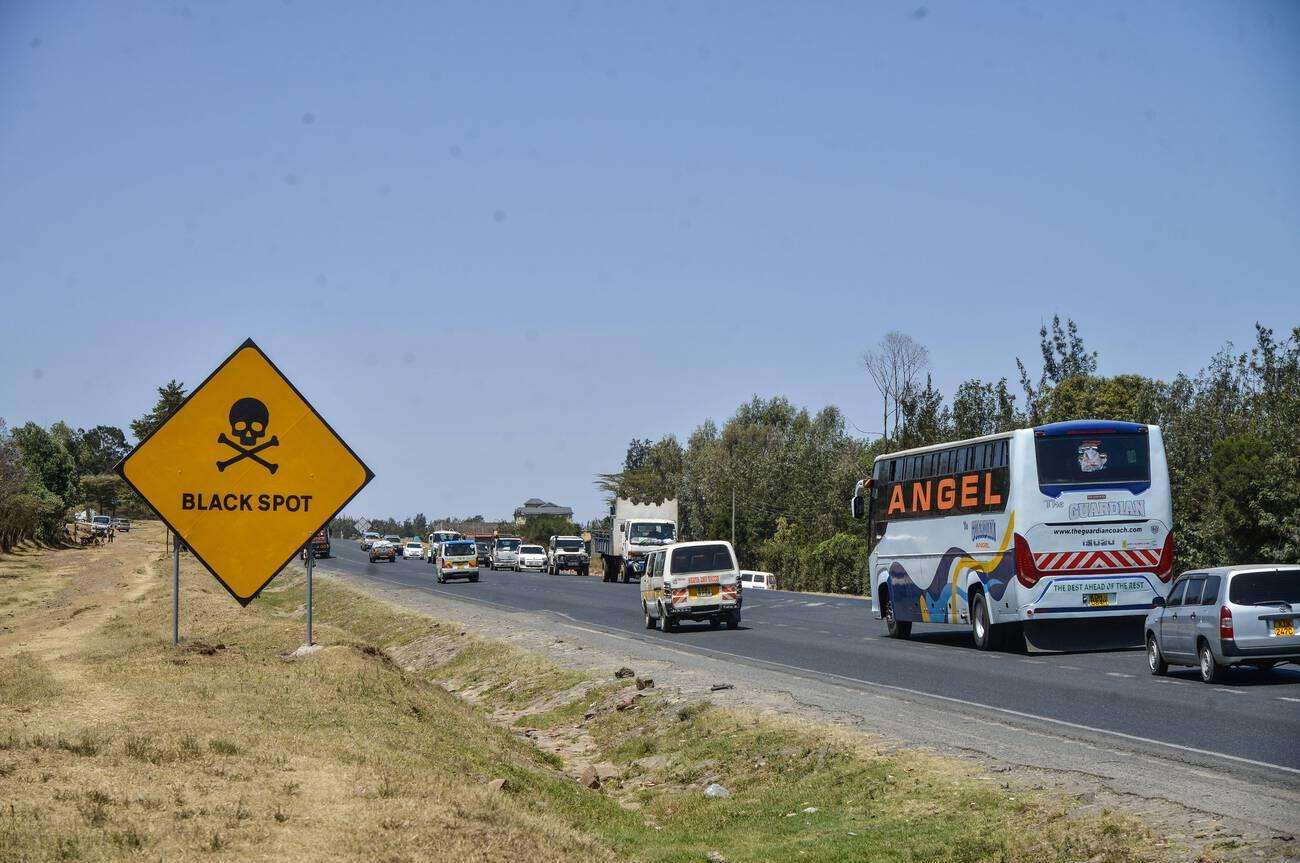
Poor infrastructure often amplifies crash risks rather than mitigating them. Problematic elements include hazardous road layouts with potholes, substandard speed bumps, insufficient lighting, absent sidewalks, unsafe crossing points, and persistent blackspots. Effective road design incorporates traffic calming elements, physical separation of vulnerable users from motorised traffic, and minimisation of conflict zones.
Examples of effective features include roads designed with clear visual guidance to promote appropriate speeds, median barriers to avoid head on impacts, rumble strips on rural routes, and refuge islands for pedestrians in urban settings. Crossings should be accessible and adequately lit as standard practice. Infrastructure design functions as a critical complement to enforcement in fatality prevention.
Reforming Driver Training and Licensing Systems
Driver behaviour remains a primary crash contributor, making standardised, high quality training and assessment essential. Issues include inconsistent driving school standards, superficial testing procedures, and limited ongoing development for public service vehicle operators, particularly in fatigue management. Inadequate systems result in drivers operating without sufficient competence.
Global examples feature structured learner programmes with required supervised hours and hazard recognition assessments, mandatory education on risks such as alcohol, fatigue, and excessive speed, and regular refresher training for professional drivers. Graduated licensing restrictions on night driving and passenger limits have reduced novice driver incidents. Implementing uniform curricula, digital hazard testing, introduction of driving licence points/demerits and compulsory refresher programmes for public service vehicle drivers would address key deficiencies in Kenya.
Smart Enforcement: Consistent, Transparent, Data-Oriented
Enforcement requires consistency, transparency, and resistance to corruption beyond sporadic penalties. Speed cameras and inspections provide value, but additional measures such as sobriety checkpoints where labour laws and NTSA Act is enforced, digital monitoring of commercial fleets, and rigorous public service vehicle audits are necessary. Balanced programmes combine enforcement with education to foster compliance and reduce resistance.
Techniques such as random breath testing, automated speed detection, in vehicle speed limitation systems, and fatigue monitoring in heavy vehicles have produced measurable reductions elsewhere. Incorporating real-time reporting mechanisms and tools to promote fairness, including officer worn cameras, would enhance enforcement effectiveness in Kenya.
Fostering Behavioural and Normative Change
Road use patterns in Kenya reflect widespread acceptance of hazardous practices: pedestrians bypassing designated crossings, drivers ignoring yield obligations at zebra crossings, overloaded public service vehicles, routine speed limit violations, continued operation by fatigued drivers, and ongoing drunk driving. Altering these patterns demands prolonged, multi-channel intervention.Strategies include early integration of road safety education in schools, broad national campaigns via broadcast media, employer responsibility for driver conduct in fleets, and consistent application of penalties for violations. Community driven efforts and reinforcement of positive behaviours contribute to gradual norm shifts.
Enhancing Institutional Coordination and Accountability
Road safety spans multiple sectors, including transport bodies, law enforcement, health services, county administrations, education systems, and civil society organisations. Kenya’s National Road Safety Action Plan 2024-2028 outlines multi sector collaboration, data utilisation, enforcement updates, infrastructure enhancements, and behaviour modification approaches. Effective execution remains the primary obstacle.
High performing systems establish specialised oversight structures with defined performance metrics, periodic audits, and transparent reporting to ensure sustained accountability.
Leveraging Data for Targeted Interventions and Blackspot Management
Accurate crash data enables identification of high risk locations, prioritisation of vulnerable groups, assessment of interventions, and policy refinement. Centralised digital reporting platforms with geographic mapping support prompt analysis and corrective action. Reliable, open data systems shift decision making from estimation to evidence based processes.
Strengthening Post-Crash Response
Comprehensive safety frameworks incorporate optimised response following incidents. Efficient emergency services, skilled first responders, adequately equipped ambulances, and integrated trauma care networks increase survival probabilities. Upgrading these components reduces the severity of crash outcomes.
From Policy to Action: Moving to Implementation
Speed cameras and inspections indicate forward movement, but unresolved challenges such as training deficiencies, corrupt practices, substandard road design, normalised fatigue, limited awareness, and fragmented institutions limit impact. Surface level actions or dealing with symptoms differ from genuine lifesaving results without understanding the root cause. The required direction encompasses forgiving road designs, stringent vehicle standards, managed speeds through technology-supported enforcement, improved user competence via training, and enhanced post-crash systems. Where behaviour significantly influences crashes, both personal accountability and structural changes are required.
Road safety constitutes a core public health concern. With established global models, an existing national framework, and pressing requirements, implementation must now replace documentation. Full adoption of the Safe Systems approach offers the potential to substantially reduce fatalities and establish safer road environments for all users.