
By Timothy Albrite
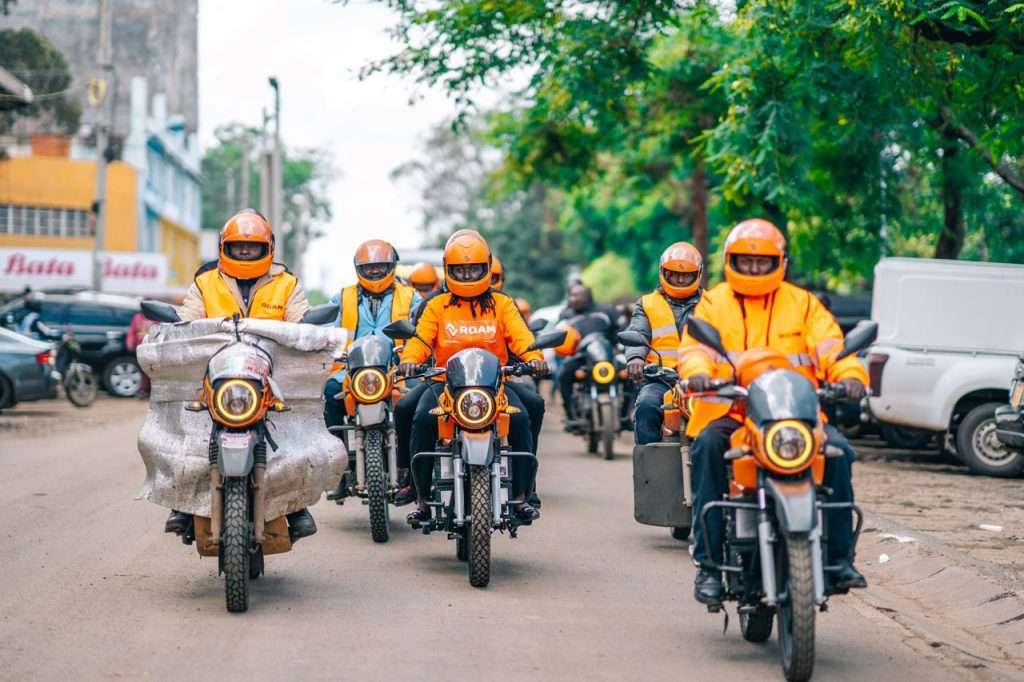
Kenya’s clean transport revolution is not being led by luxury electric cars or government fleets. It is being driven by bodabodas.
Players including ROAM, Spiro and ARC Ride, have now rolled out more than 300 battery swap stations across Nairobi and its commuter belt. Their rapid expansion marks the start of what industry insiders are calling the battery swapping war.
Instead of waiting hours to charge, riders swap depleted batteries for fully charged ones in under two minutes. This model has solved the single biggest barrier to electric motorcycle adoption: downtime.
For boda boda riders, time is money. A charging-based system simply does not work when daily earnings depend on constant movement. Battery swapping allows riders to operate almost exactly as they would with petrol.
The impact is already visible. Electric motorcycles are becoming a common sight in parts of Nairobi, Kiambu, and Machakos. Riders report lower daily running costs, fewer mechanical breakdowns, and more predictable expenses.
This is where the shift becomes strategic rather than symbolic. Transport accounts for a significant share of Kenya’s carbon emissions, and boda bodas make up a huge portion of daily urban traffic. By electrifying this sector first, Kenya is cutting emissions.
The rivalry between the players has accelerated deployment. Each company is racing to secure prime swap station locations along busy corridors and rider hubs. Their competition has also pushed innovation, with improved battery life, smarter tracking systems, and flexible subscription plans for riders.
What makes this movement uniquely Kenyan is its grassroots nature. Unlike in Europe or China, where electric mobility began with private cars and public buses, Kenya’s transition is being led by informal transport workers.
The boda boda industry, often criticised for safety and congestion, is now emerging as a climate solution.
Challenges remain. Battery disposal, electricity supply, and grid sustainability will need careful management as numbers grow. Regulation will also have to catch up with technology, especially in areas such as battery standards and safety certification.
The boda boda is no longer just a means of survival. It is becoming a vehicle of transformation.
In the race to decarbonise transport, Kenya’s green revolution is wearing a reflector jacket and a helmet.