By Timothy Albrite
When Eng. Mary Abungu stepped onto the stage to receive her title as Road Safety Champion of the Year, it was more than an award. It was a milestone for every young professional daring to rewrite Africa’s mobility story. Her journey began with the spark of a female mentor in high school. It was sharpened through studies in Kenya and the UK. And it has grown into a career at the forefront of road safety and sustainable transport.
Today, as both engineer and advocate, Mary is challenging the normalization of road fatalities and pushing for bold, evidence-based reforms. In an interview with AutoNews, she shares her journey, her proudest achievements, and her vision of roads as pathways to safety, equity, and opportunity.
- Tell us a little about yourself and your background. Who is Mary? Where did you grow up and what were your early influences?
I am Mary Abungu, a transportation engineer and road safety specialist passionate about creating safer, inclusive, and sustainable mobility systems. I grew up in Kenya, where I witnessed firsthand how unsafe and non-inclusive roads affect families and communities. My early influences came from observing the challenges people face in accessing safe transport, especially women, children, and vulnerable road users, which inspired me to dedicate my career to transforming mobility. - What inspired you to pursue civil engineering, and later specialize in transport and road safety?
I was always drawn to problem-solving and the idea of shaping environments that directly impact people’s lives. My interest in civil engineering became stronger during a high school mentorship program where I met a female engineer who inspired me deeply. Seeing her excel in a male-dominated field gave me the confidence to pursue a similar path despite the gender disparity. Civil engineering gave me the foundation to understand infrastructure, and my growing concern about rising road crashes in Kenya led me to specialize in transport and road safety. I realized that beyond building roads, we must design systems that protect lives. - You studied both in Kenya and abroad. How did your educational journey shape your perspective on mobility and infrastructure?
Studying in Kenya exposed me to the unique local challenges such as limited resources, rapid urbanization, and policy gaps. My postgraduate studies in the UK broadened my perspective, introducing me to global best practices like the Safe Systems approach. This combination helped me appreciate that effective solutions must be locally relevant yet globally informed.
- What first sparked your interest in road safety specifically, as opposed to other areas of engineering?
My interest was sparked by the human stories behind statistics and the sad state we are currently in of normalizing crash fatalities. Each crash represents a life lost or changed forever, and I felt a responsibility to use my skills to make mobility safer. Seeing how preventable most crashes are motivated me to focus my career on road safety. - Can you walk us through your current role(s)? What does a typical day look like for Eng. Mary Abungu?
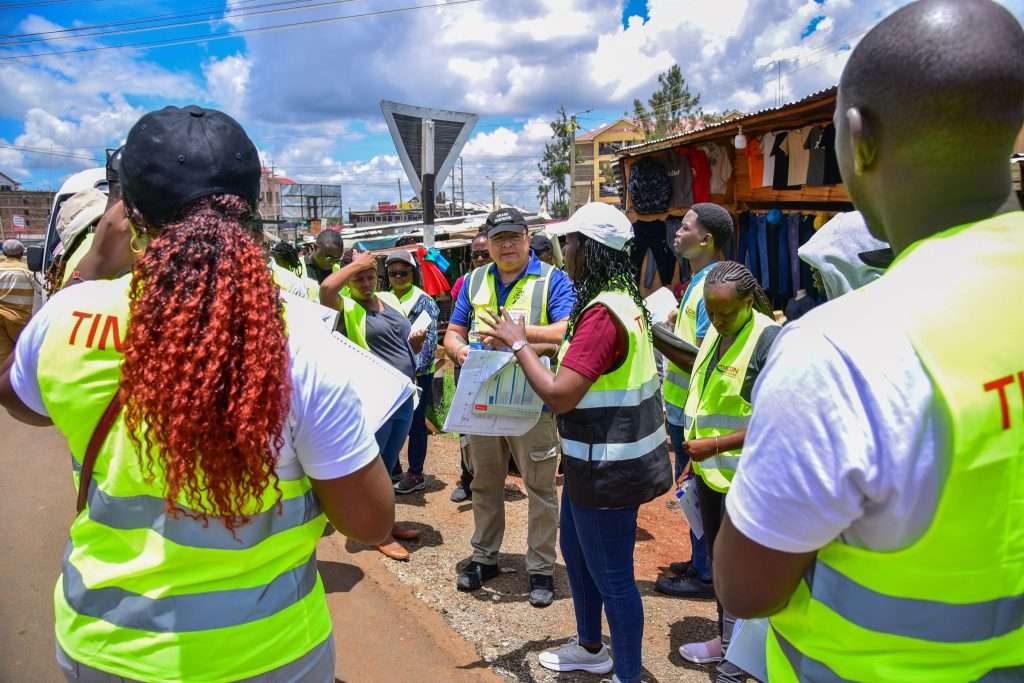
I wear several hats. I work as a transportation engineer and road safety specialist at TIMCON Associates, and I also lead SUMO Africa, which I founded to advance sustainable mobility across the region. My typical day involves engaging with stakeholders, analyzing data, designing safe transportation systems, supporting policy reforms, and coordinating projects. It’s a balance between technical work, advocacy, and capacity-building. - You’ve led several impactful projects across Kenya and the region. What would you say is the core mission behind your work?
The core mission is to save lives and create transport systems that serve everyone equitably. My projects, whether technical, capacity building, policy advocacy, or engagement workshops, are united by the belief that mobility is a right, and it must be safe, sustainable, and inclusive. - You’re also the founding director of Sustainable Mobility Africa (SUMO Africa). What inspired the creation of this platform, and what is its main focus?
SUMO Africa was born out of the need to create a regional voice advocating for sustainable, people-centered mobility solutions. I was inspired to establish it because I saw a gap in collaboration among key decision makers, policymakers, young professionals, and communities. The platform focuses on road safety, sustainable and active mobility, data-driven decision-making, and women and youth engagement.
- What’s one misconception people have about road safety that you wish you could correct?
Many people believe road crashes are accidents, random and unavoidable. In reality, they are preventable events resulting from systemic failures in design, behavior, and enforcement. If we adopt a Safe Systems approach, we can significantly reduce fatalities and injuries. - We have to ask what’s your dream car, and why? (And do you currently own it?)
My dream car for now is a Suzuki Jimny. It is compact, reliable, and perfect for navigating both city roads and off-road terrains in Kenya. In the future, I aspire to own a Mercedes Benz GLE-Class, which combines elegance, comfort, and stability. I don’t own either, but I admire how they balances comfort and durability.
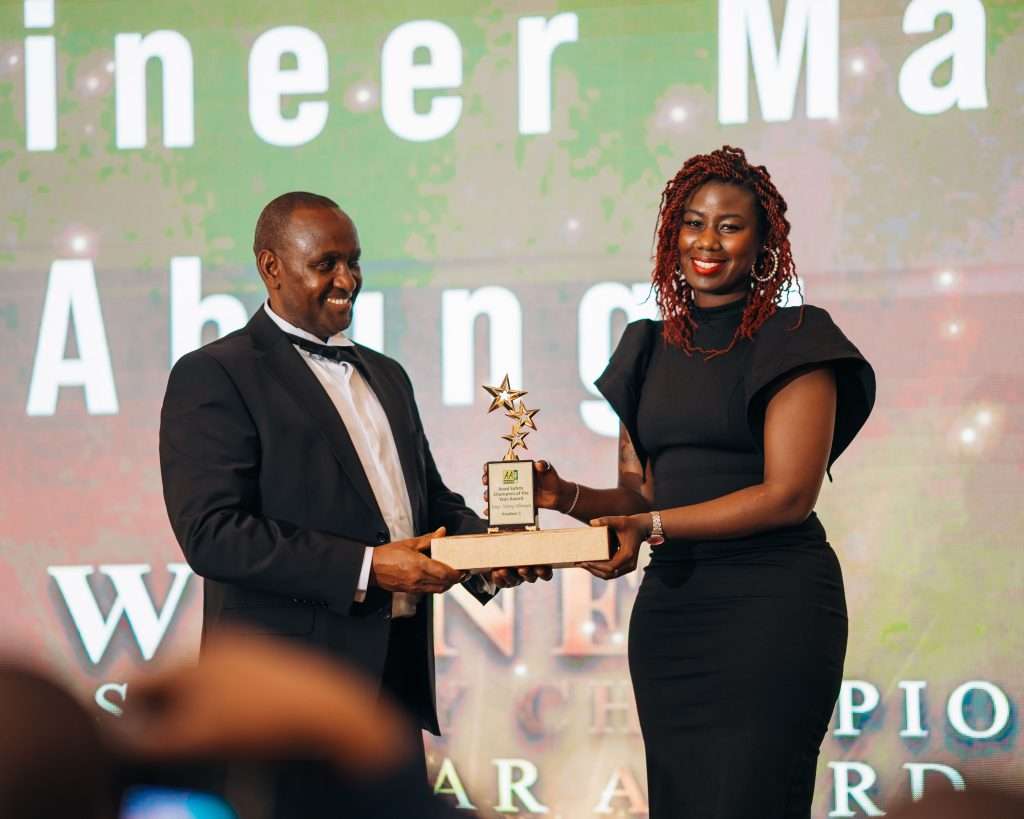
- How does it feel to be named Road Safety Champion of the Year? What does this recognition mean to you?
I am still reeling from the experience. It’s an incredible honor and a humbling recognition of the work not just I, but many young professionals, are doing to make mobility safer. It validates the importance of youth voices in shaping policy and inspires me to keep pushing for reforms that save lives. - Looking back at your journey, which achievement are you most proud of, and what still keeps you up at night?
I would say the Road Safety Champion of the Year recognition takes the lead. But I am also very proud of my efforts through the Connect the Dots, Save a Life workshop, which brought together all key government stakeholders in the road safety space, as well as development partners, the private sector, and CSOs, to discuss collaboration on road safety data, something that had never happened before.
What keeps me up at night, however, is the lack of urgency on addressing road safety matters, even as lives continue to be lost daily. - What is the one change or reform in Kenya’s road safety landscape that you believe could save the most lives if implemented today?
The one change that I believe could save the most lives in Kenya is institutionalizing a fully integrated, transparent road crash data management system, coupled with harmonization of efforts across all stakeholders. Today, data is fragmented across different agencies, which limits our ability to design effective interventions.
If we had accurate, timely, and shared data, and if government, development partners, private sector, and civil society worked in a coordinated manner, we could target resources better, implement evidence-based strategies, and ultimately save countless lives.
- What message would you share with the next generation of engineers and road safety advocates in Kenya?
Be bold, innovative, and collaborative. Road safety is not just about engineering but about empathy, advocacy, and policy reform. Your voice matters, use it to challenge the status quo and push for safer, more inclusive mobility systems. You are change you want to see. - Finally, what’s next for you, personally or professionally, as you continue to champion safer, smarter mobility across Africa?
Professionally, I am working to expand SUMO Africa’s reach and deepen collaborations with regional and international partners to reform gaps in strategies and policies, while also advancing my work at TIMCON where I focus on transportation engineering and road safety projects.
Personally, I aim to continue building expertise, possibly pursuing a PhD in transport policy and reforms, to influence decision-making at the higher levels. My ultimate goal is to see Africa embrace mobility systems that are safe, sustainable, and people-centered.