
By Timothy Albrite
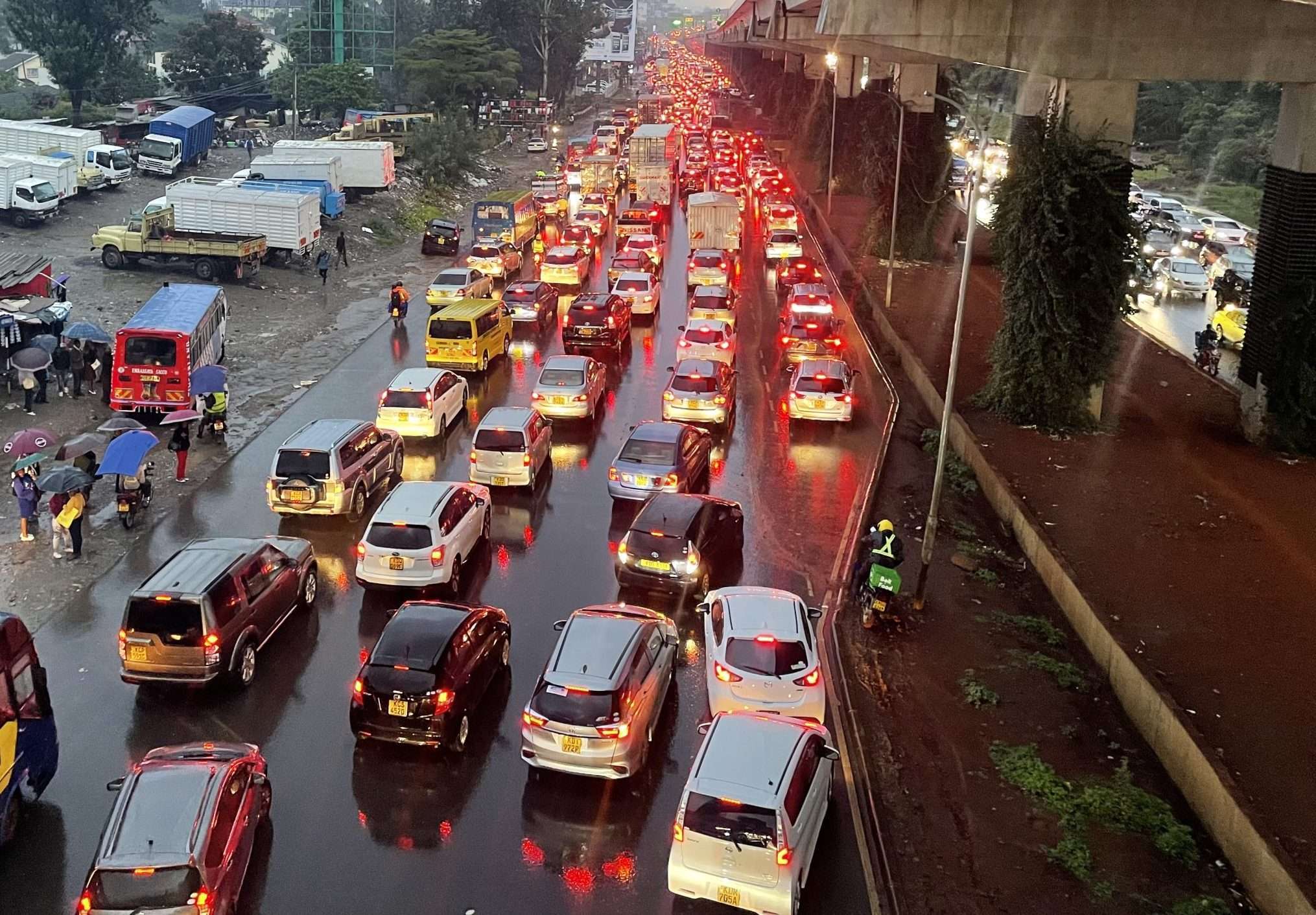
If you’ve ever sat through Nairobi’s evening traffic, you’ll know the feeling. For more than an hour, you’re barely moving. Then, almost without warning, the jam eases. The road ahead clears, and suddenly it feels like you can finally make up for lost time.
That’s exactly when many of Kenya’s deadliest crashes happen.
Figures from the National Transport and Safety Authority (NTSA) show that nearly three out of every ten fatal road crashes occur between 7pm and 10pm. It is only a three-hour window, yet it consistently records more deadly crashes than any other time of day.
The change on the road is easy to see. During the evening rush, heavy traffic keeps vehicles moving slowly. Frustrating as the congestion may be, it naturally limits speed.
Once the roads begin to empty, everything changes.
Drivers accelerate. Some squeeze into smaller gaps, while others overtake where they normally wouldn’t. The road feels safer simply because there are fewer cars ahead. In reality, night driving brings a different set of risks.
Visibility is reduced, pedestrians are harder to spot, and many drivers are already tired after spending the entire day at work before getting behind the wheel. A split-second decision that might have been avoided in daylight can quickly turn into a serious crash.
Major roads such as Thika Road, Mombasa Road and Waiyaki Way are among those that become noticeably faster after dark. Public service vehicles hurry to finish their final trips, private motorists head home, and boda boda riders continue weaving through traffic as they make late-evening deliveries or carry passengers.
According to NTSA, excessive speed remains one of the biggest contributors to fatal crashes during these hours. Many collisions also involve drivers losing control of their vehicles or failing to see pedestrians crossing the road. Fatigue becomes another factor as the day wears on, while alcohol continues to play a role, particularly on Friday evenings and over the weekend.
The pressure is even greater for commercial drivers.
For a matatu crew, a truck driver or someone making deliveries, there is always the temptation to squeeze in one more trip before calling it a night. Every additional journey can mean a little more income or the chance to stay on schedule. But after hours behind the wheel, concentration begins to fade, reaction times slow, and mistakes become far more likely.
The danger isn’t limited to Nairobi.
Across the country, many highways pass through trading centres where people walk home after dark. In some places there are no streetlights, no marked crossings and no footpaths. Drivers travelling at high speed may only notice a pedestrian when they’re already too close to stop safely.
Road safety experts continue to stress that an open road should never be mistaken for a safe one.
Driving a little slower at night gives you more time to react if someone steps onto the road or a motorcycle suddenly changes direction. Keeping a greater following distance, avoiding unnecessary overtaking and taking a short break when fatigue sets in can make all the difference, especially on longer journeys.
For commercial drivers, resisting the urge to complete one last trip while exhausted could save lives—not only their own, but those of passengers and other road users.
The NTSA figures carry a simple lesson. Kenya’s roads don’t become safer when the traffic disappears. If anything, the risks become less obvious.
An empty road can create a false sense of confidence, encouraging drivers to travel faster than conditions allow. Yet darkness, fatigue and reduced visibility leave very little room to recover when something unexpected happens.
Getting home a few minutes earlier is never worth the risk.