
By Timothy Albrite
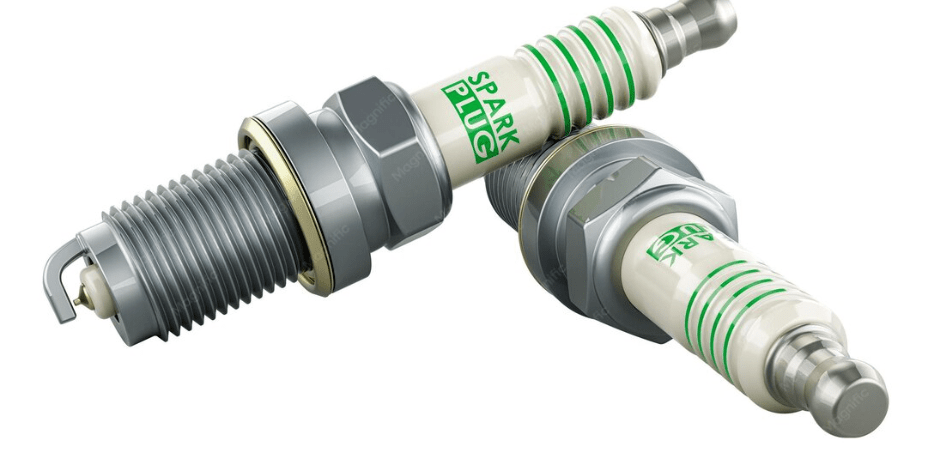
Most drivers never think about their spark plugs until the car starts misbehaving. Yet these tiny components, hidden deep inside the engine, play one of the most important roles in keeping your vehicle running smoothly, efficiently, and economically.
A healthy set of spark plugs can help maximize fuel economy, improve engine performance, and reduce emissions. Neglect them, however, and your car could become harder to start, slower to accelerate, and significantly more expensive to fuel.
In many ways, spark plugs are the heartbeat of a petrol engine.
What Exactly Does a Spark Plug Do?
Every petrol engine relies on a controlled explosion to generate power. Inside each cylinder, air and fuel are compressed before a spark plug delivers a high-voltage electrical spark that ignites the mixture.
This ignition creates the combustion that pushes the piston down and ultimately turns the wheels. The process happens thousands of times every minute. At highway speeds, a spark plug may fire more than 1,500 times per minute, enduring extreme heat and pressure.
Without a properly functioning spark plug, combustion becomes incomplete, leading to poor performance and wasted fuel.
Why Spark Plugs Matter
Many motorists associate poor fuel economy with traffic congestion, rising fuel prices, or aggressive driving habits. While those factors certainly play a role, worn spark plugs can quietly increase fuel consumption without attracting immediate attention.
When spark plugs age, the gap between the electrodes gradually widens. This makes it harder for the plug to generate a strong spark. The result is incomplete combustion, which means some of the fuel entering the cylinder is not fully burned.
The engine management system may compensate by injecting more fuel, which can reduce fuel economy.
A healthy set of spark plugs helps:
- Improve fuel efficiency
- Deliver smoother acceleration
- Reduce engine vibrations
- Improve cold starts
- Lower harmful emissions
- Protect expensive components such as catalytic converters
Genuine vs Counterfeit Spark Plugs: Why It Matters
The Kenyan market has seen a growing influx of counterfeit automotive parts, and spark plugs are no exception. At first glance, fake spark plugs may look identical to genuine products. However, differences in manufacturing quality, materials, and heat resistance can significantly affect engine performance.
Counterfeit plugs often:
- Wear out prematurely
- Produce inconsistent sparks
- Cause misfires
- Increase fuel consumption
- Damage ignition coils
- Lead to costly engine repairs
When purchasing spark plugs, always buy from authorized dealers or reputable parts suppliers. Check packaging quality, product markings, and manufacturer security features.
Saving a few hundred shillings on cheap plugs can easily result in repair bills worth tens of thousands later.
How to Tell if Your Spark Plugs Are Going Bad
Spark plugs usually deteriorate gradually, meaning many drivers adapt to the declining performance without realizing something is wrong.
Common warning signs include:
Hard Starting
If your vehicle takes longer than usual to start, especially in the morning, weak spark plugs could be struggling to ignite the fuel-air mixture.
Poor Fuel Economy
A noticeable increase in fuel consumption without any change in driving habits is often one of the earliest signs.
Rough Idling
A healthy engine should idle smoothly. If the vehicle shakes, vibrates or feels uneven while stationary, faulty plugs may be the culprit.
Hesitation During Acceleration
If the engine feels sluggish or unresponsive when you press the accelerator, ignition performance should be checked.
Engine Misfires
Misfires often feel like sudden jerks, stumbles, or momentary losses of power. Ignoring them can damage the catalytic converter.
Check Engine Light
Modern vehicles monitor combustion quality. Persistent misfires or ignition faults will often trigger the check engine warning light.
Reading Your Spark Plugs: What They Reveal About Your Engine
Spark plugs are more than ignition components; they are also excellent diagnostic tools.
By examining the firing tip, technicians can often identify underlying engine problems long before they become serious.
Light Tan or Grey Deposits
This is what you want to see.
A light tan, grey, or soft brown colour indicates healthy combustion and a properly balanced air-fuel mixture. The engine is operating efficiently, and fuel consumption should be close to factory expectations.
Dry Black Soot
A dry, black carbon coating suggests the engine is running rich, meaning too much fuel or insufficient air is entering the combustion chamber.
Possible causes include:
- A clogged air filter
- Faulty oxygen sensors
- Leaking fuel injectors
- Air intake restrictions
Besides increasing fuel consumption, carbon-fouled plugs weaken spark quality and worsen performance.
Wet, Oily Deposits
An oily spark plug usually indicates that engine oil is entering the combustion chamber.
Potential causes include:
- Worn piston rings
- Worn valve stem seals
- Internal engine wear
This condition often leads to rough running, increased emissions and expensive repairs if left unchecked.
White, Blistered or Burnt Electrodes
A chalky white appearance or melted electrode suggests excessive heat inside the combustion chamber.
Possible causes include:
- Incorrect spark plugs
- Cooling system issues
- Lean air-fuel mixtures
- Fuel delivery problems
If ignored, excessive combustion temperatures can cause severe engine damage over time.
How Often Should Spark Plugs Be Changed?
There is no universal replacement interval because modern spark plugs vary significantly in design and materials.
As a general guide:
- Conventional copper spark plugs: 20,000–30,000 km
- Platinum spark plugs: 60,000–100,000 km
- Iridium spark plugs: 80,000–120,000 km
Always consult your vehicle owner’s manual for the manufacturer’s recommendation.
Many newer vehicles leave the factory with iridium plugs designed to last well over 100,000 kilometres under normal driving conditions.
Can You Clean and Reuse Spark Plugs?
In some cases, lightly carbon-fouled plugs can be cleaned and reinstalled temporarily. However, cleaning should never be viewed as a permanent solution.
If the plugs are worn, damaged, or approaching the end of their service life, replacement is the safer and more reliable option.
More importantly, the underlying cause of fouling must be identified and corrected.
The Bottom Line
Spark plugs may be small components, but they have a major influence on how your vehicle performs, how much fuel it consumes, and how long the engine lasts.
If your car feels sluggish, is consuming more fuel than usual or struggles to start, the answer may be sitting at the end of a spark plug socket.
A simple inspection can reveal far more than most drivers realize. In fact, those tiny electrodes can tell a detailed story about your engine’s health, fuel system condition and even future repair bills.
Sometimes, the difference between a smooth-running car and an expensive workshop visit is no bigger than a spark plug.