
By The QuickFix Learning Hub
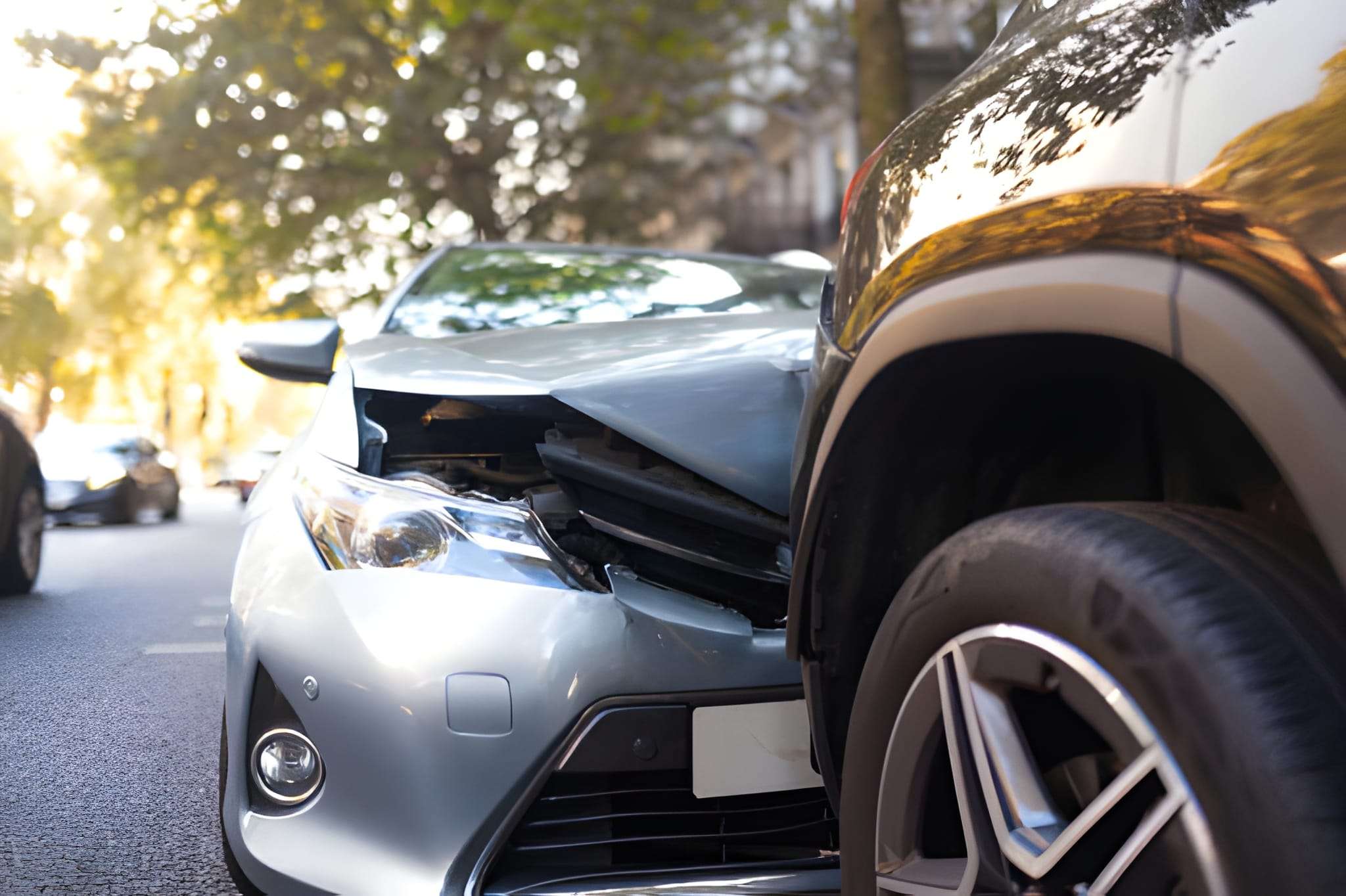
When a crash happens, chaos often follows; screeching brakes, horns blaring, bystanders rushing in.
In that confusion, well – meaning helpers sometimes step into danger and become victims themselves. A real first responder’s first action is not touching the injured person – it’s making the scene safe for everyone.
The Hidden Hazards
Roadside emergencies carry unseen risks: speeding traffic, leaking fuel, unstable vehicles on slopes, even downed power lines. If these hazards aren’t controlled first, the situation can quickly worsen.
Golden Rule: “Never become the second victim. If you’re hurt, you can’t help.”
How to Place Reflective Warning Triangles
Kenyan law – Traffic Act Cap 403 Section 53 requires motorists to place two red reflecting triangles at least 50 metres from a stalled or crashed vehicle:
- One ahead of the vehicle
- One behind the vehicle
This distance is the legal minimum and is meant to give approaching drivers enough warning to slow down or stop.
Best-Practice Breakdown:
| Road Type | Placement | Why It Matters |
| Two-Way / Undivided Road | One triangle ≥ 50 m behind and one ≥ 50 m ahead of the crash | Warns drivers coming from both directions. |
| One-Way / Dual-Carriage / Expressway | Triangle(s) ≥ 50 m behind the incident, in the direction of approaching traffic | All traffic flows one way; rear warning is the priority. |
| Curves, Hills, Poor Visibility, High-Speed Zones | Extend distance to 70 – 100 m + in the direction of approaching traffic | Gives drivers extra reaction time when sight lines or stopping distances are compromised. |
Scene Safety Tip: Always carry a pair of triangles. If you drive in highway conditions, carry extras and place them further out.
Turn Off the Ignition
Immediately switching off the crashed vehicle’s ignition is one of the quickest ways to reduce danger:
- Prevents sparks and electrical arcs that can ignite spilled fuel vapours.
- Stops engine – generated heat that might ignite fluids or debris.
- Prevents unintended vehicle movement if gears or parking brakes fail.
- Makes it safer for rescuers by disabling belts, fans, or moving parts.
5 Steps to Secure the Scene
- Warn Traffic: Place triangles at the correct distance for your road type.
- Shut Off Ignitions: Reduce fire and movement risk.
- Stay Visible: Stand on the shoulder or verge facing oncoming traffic; wear reflective gear or use a phone torch at night.
- Avoid Hazards: Keep clear of fuel spills, smoke, or loose wires.
- Call for Help: Once it’s safe, call an ambulance or seek medical help with precise details on location, hazards, and casualties.
🚦 Scene Safety Tip of the Month
Lifesaver triangles aren’t optional; they’re your first barrier against secondary crashes. Position them at least 50 m out – and farther in poor visibility or high-speed areas.
💡 QuickFix Tip of the Month: Safe Positioning Around Traffic
✅ Stay on the road verge or shoulder, never between vehicles.
✅ Face oncoming traffic so you can react fast.
✅ Keep an escape path clear in case another vehicle swerves or loses control.
Emergency Numbers
- AA Kenya Roadside Assistance: 0709 933 000 / 0709 933 999
- Police: 999 / 112
- Ambulance: via AA Kenya or local EMS providers, (St.Johns Ambulance: 0721 225 285, Kenya Red Cross: 1199
Securing the crash scene isn’t wasted time – it prevents more injuries and buys precious minutes for the victims until professional responders arrive.
In those first few minutes, the safest rescuer is the most effective lifesaver.