By Timothy Albrite
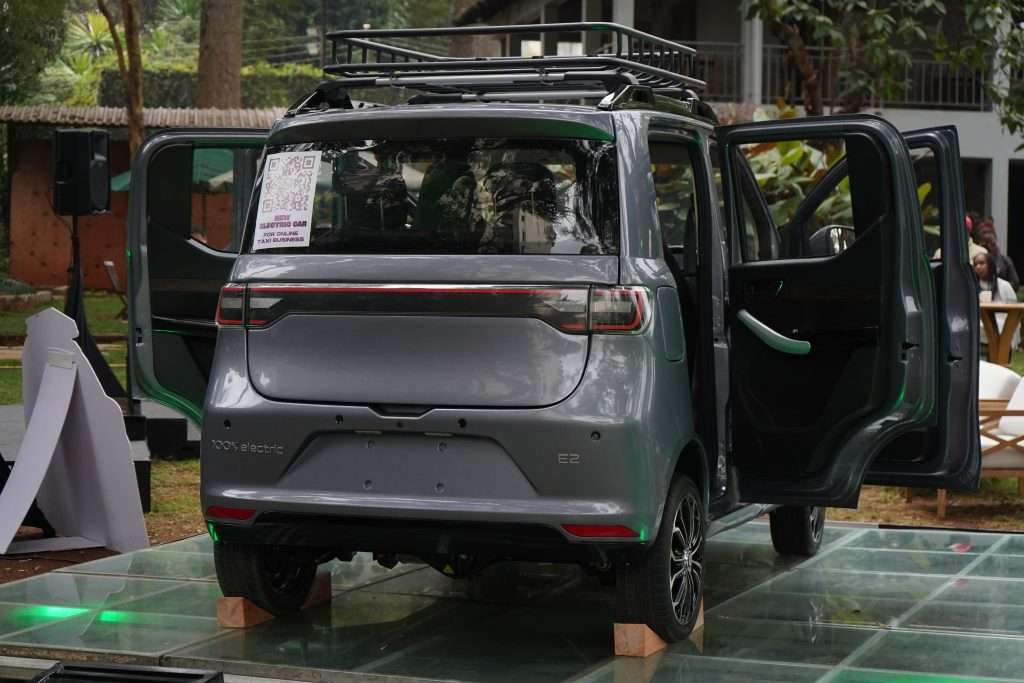
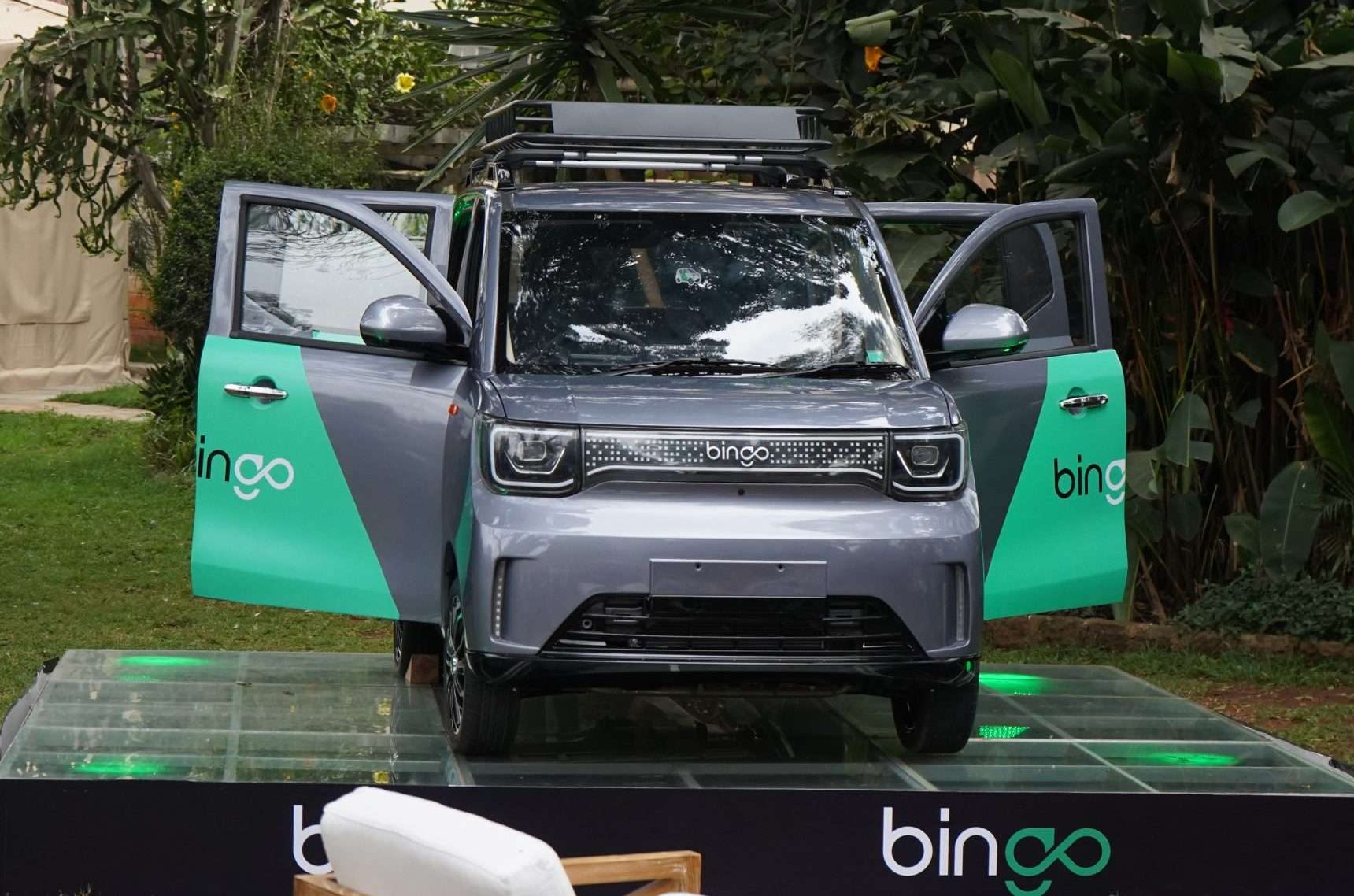
Kenya’s electric mobility journey has taken another step forward this week after Bingo Technologies unveiled the Bingo E2, a purpose-built electric vehicle developed for the country’s growing ride-hailing market.
Making its global debut in Nairobi ahead of its public launch, the Bingo E2 introduces what the company says is the world’s first dual-battery system in a production electric vehicle. The innovation combines a permanently installed battery with a removable swappable battery, giving drivers greater flexibility and reducing the amount of time spent off the road.
The unveiling also marked the launch of Bingo Technologies’ wider electric mobility ecosystem, which brings together the vehicle, battery technology, fleet management software and financing solutions aimed at making electric vehicle ownership more practical for commercial drivers.
Reservations for the Bingo E2 have already opened.
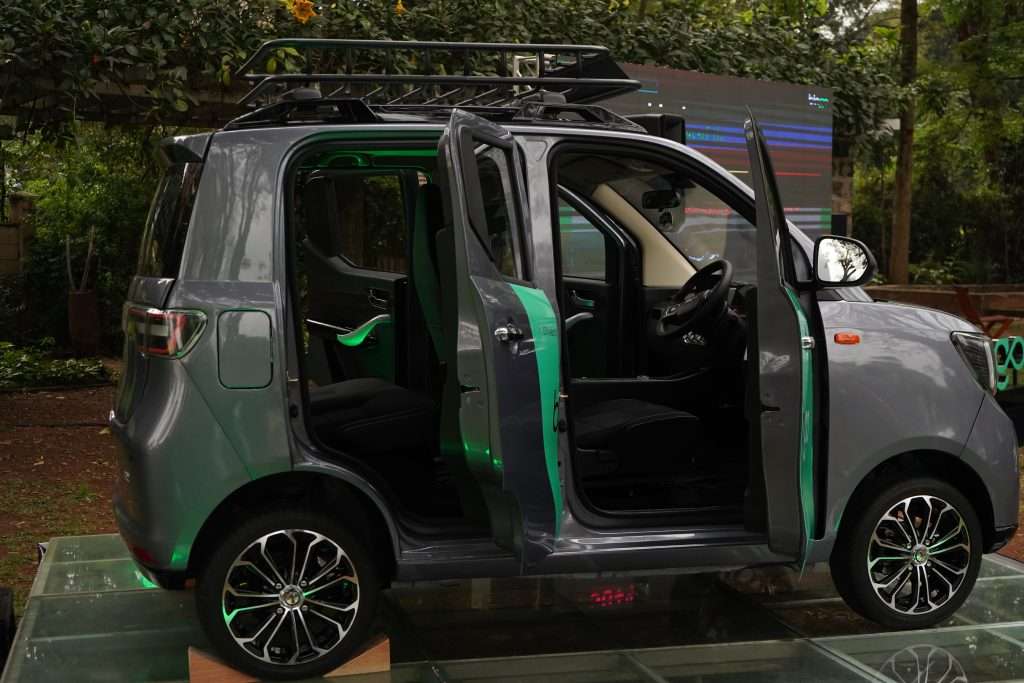
Unlike conventional electric vehicles that depend on a single battery pack, the Bingo E2 offers drivers multiple ways to keep moving. The fixed battery can be recharged using a fast charger, while the second battery can be swapped when it runs low, allowing drivers to return to work much sooner.
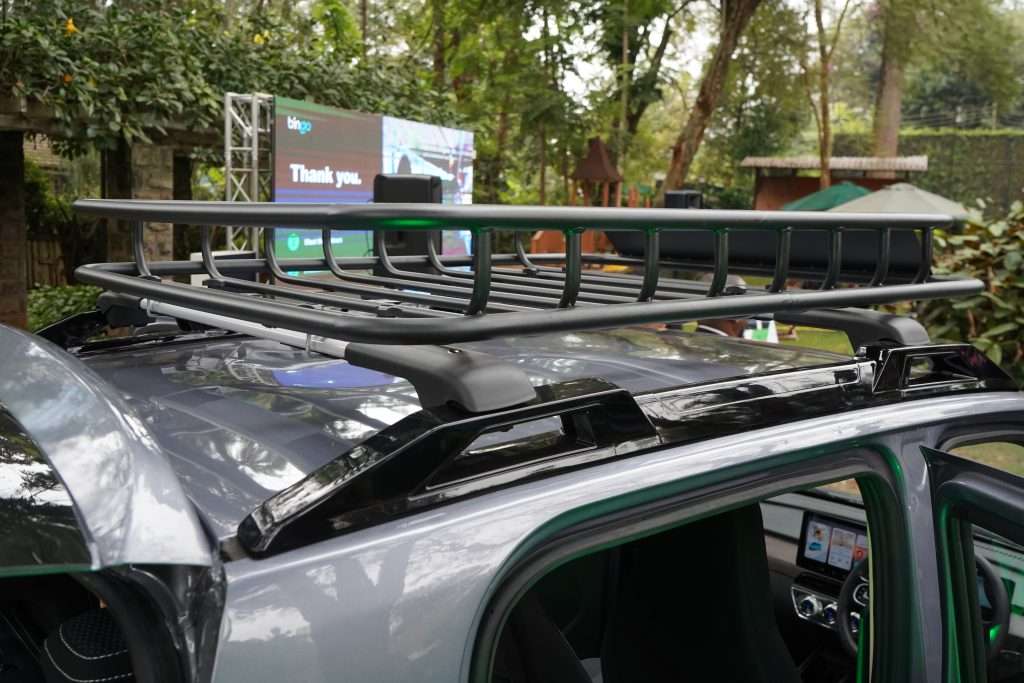
The vehicle is also capable of carrying up to four additional swappable batteries, increasing its driving range to as much as 440 kilometres depending on usage. For drivers who spend long hours on the road, the additional range could help reduce interruptions during the working day.
One feature that drew particular attention during the unveiling was the vehicle’s ability to charge another Bingo E2. Using vehicle-to-vehicle charging technology, one car can transfer power directly to another, offering a practical backup where charging stations may not be immediately available.
Bingo Technologies says the E2 has been engineered specifically for African operating conditions rather than adapted from an existing petrol-powered model. From its battery configuration to its overall design, the vehicle has been developed with the needs of ride-hailing drivers in mind, where reliability, uptime and low running costs are essential.
The company believes this approach will help address some of the concerns that continue to slow electric vehicle adoption, including range anxiety, charging convenience and the overall cost of ownership.
During the launch, the company introduced MAYA, an AI-powered fleet management platform that gives fleet owners and individual drivers access to real-time vehicle information, operational insights and business management tools. The platform is designed to help operators monitor vehicle performance, improve efficiency and manage their fleets from a single dashboard.
To make the transition to electric mobility more accessible, Bingo has also partnered with financiers like NCBA Bank to provide financing options for prospective buyers. The partnership is expected to lower the barrier to entry for drivers who may find the upfront cost of an electric vehicle beyond their immediate reach.
The launch comes at a time when Kenya is steadily emerging as one of Africa’s leading markets for electric mobility. Government support, private sector investment and the country’s electricity mix, most of it generated from renewable sources such as geothermal, hydro and wind, have created favourable conditions for cleaner transport solutions.
For ride-hailing drivers, where fuel is often one of the biggest daily expenses, the shift to electric vehicles presents an opportunity to significantly reduce operating costs while lowering emissions.
Although charging infrastructure continues to expand across the country, concerns about charging times and vehicle range remain among the biggest obstacles to wider EV adoption. Bingo Technologies believes its dual-battery approach offers a practical solution by giving drivers the flexibility to either recharge or swap batteries depending on their schedules.
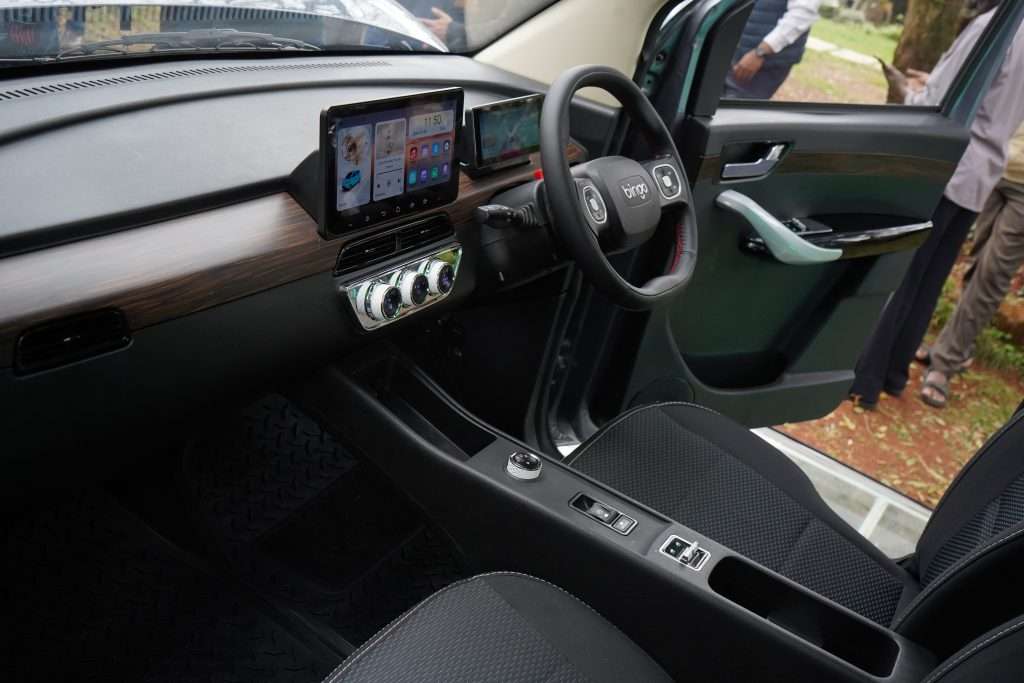
The vehicle’s ability to share power with another Bingo E2 also introduces a level of redundancy that is rarely seen in today’s electric vehicles and could prove useful for commercial operators working long shifts or travelling beyond urban charging networks.
With reservations now open, Bingo Technologies is betting that a combination of innovative engineering, digital fleet management and flexible financing will help accelerate the adoption of electric mobility among Kenya’s ride-hailing drivers.
Whether the Bingo E2 reshapes the market remains to be seen, but its debut signals a growing shift away from simply importing electric vehicles towards developing mobility solutions tailored to the unique needs of African transport operators.