
By Paul Karuga Njuguna (Executive Director, Road Safety Awareness Initiative @RSAIKenya)
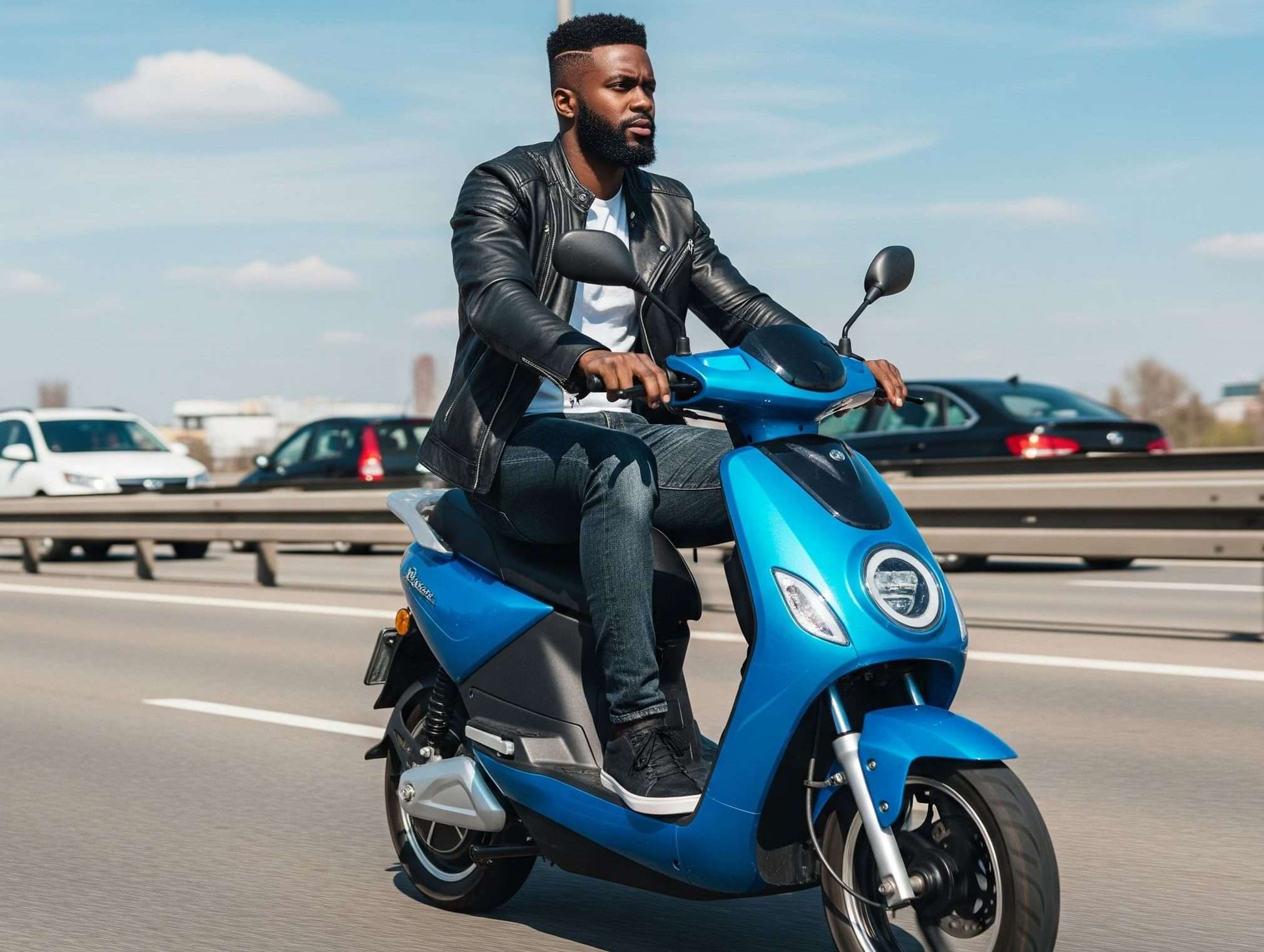
Electric scooters (e-scooters) and electric bicycles (e-bikes) are rapidly gaining popularity as eco-friendly transportation alternatives globally. By reducing reliance on fuel-powered vehicles, they have demonstrated remarkable potential in lowering carbon emissions and alleviating urban traffic congestion. As Kenya begins to adopt these micromobility solutions, cities such as Nairobi, Mombasa, Kisumu, Eldoret, and Nakuru are expected to see increased usage. However, while the environmental and urban mobility benefits are undeniable, early regulation is essential to address potential safety, legal, and infrastructure challenges.
The Appeal of E-Scooters and E-Bikes
E-scooters and e-bikes offer a convenient, cost-effective solution for short commutes, particularly in cities where public transport systems are insufficient. Their ability to bridge the “last-mile” gap makes them an attractive option for urban residents. Additionally, they significantly contribute to environmental conservation by reducing greenhouse gas emissions. In a city like Nairobi, which struggles with air pollution and traffic congestion, these vehicles present a practical and sustainable mobility option.
Lessons from Global Experiences
While their adoption has transformed urban transportation in countries like the United States and the United Kingdom, it has also exposed critical gaps in regulation:
- Safety Concerns: According to the National Highway Traffic Safety Administration (NHTSA), over 50 fatalities involving e-scooters were reported in the U.S. between 2017 and 2021. In the U.K., e-scooter accidents tripled between 2020 and 2022, with several resulting in fatalities.
- Urban Chaos: Inadequate parking guidelines and the use of sidewalks for riding have disrupted pedestrian spaces. Poorly parked e-scooters have often blocked pavements, inconveniencing wheelchair users and pedestrians alike.
- Shared Road Risks: Mixing e-scooters with cars, motorcycles, and pedestrians has led to hazardous road conditions, exacerbated by riders’ lack of training and disregard for traffic laws.
To address these issues, cities like San Francisco temporarily banned e-scooters until regulations were in place, while New York introduced speed limits and designated usage zones.
Why Early Regulation is Crucial for Kenya
Kenya can avoid the pitfalls experienced elsewhere by implementing proactive measures. Here’s why regulation is key:
- Safety for All Road Users
Without proper guidelines, the rise in e-scooter and e-bike usage could lead to an increase in road accidents. Mandatory helmet use, speed limits, and designated lanes would protect riders, pedestrians, and motorists. - Order in Urban Areas
Cities like Nairobi already struggle with traffic congestion and limited pedestrian infrastructure. Unregulated micromobility could worsen these challenges, with vehicles cluttering sidewalks and causing disruptions in public spaces. - Realizing Environmental Benefits
E-scooters and e-bikes have immense potential to reduce pollution and support Kenya’s sustainable development goals. However, this potential can only be fully harnessed with proper management to prevent safety hazards and inefficiencies.
Proposed Regulatory Measures
To ensure safe and sustainable adoption, Kenya should consider these regulatory actions:
- Licensing and Registration
- Require e-scooters and e-bikes to be registered with local authorities.
- Mandate licensing for operators, including road safety training.
- Infrastructure Development
- Invest in dedicated cycling and e-scooter lanes to minimize conflicts with other road users.
- Incorporate safe parking spaces for micromobility vehicles into urban planning.
- Speed and Safety Regulations
- Limit e-scooter and e-bike speeds to 20–25 km/h in urban areas.
- Make helmets and reflective gear mandatory for riders.
- Age Restrictions and Training
- Restrict usage to individuals aged 18 and above.
- Introduce mandatory training programs to ensure riders understand traffic rules and safe riding practices.
- Enforcement and Monitoring
- Equip traffic police with tools to monitor compliance.
- Impose penalties for violations, such as riding on sidewalks or exceeding speed limits.
The Environmental Imperative
One of the most compelling reasons to support the adoption of e-scooters and e-bikes is their environmental benefit. In urban areas plagued by high vehicle emissions, these electric alternatives produce zero tailpipe emissions, significantly reducing air pollution. By replacing short car trips, they can decrease the reliance on fossil fuels, leading to cleaner and more breathable cities. Moreover, their quiet operation reduces noise pollution, contributing to a more peaceful urban environment.
Conclusion
Kenya stands at a crossroads in shaping the future of urban mobility. By introducing robust regulations now, the government can ensure that e-scooters and e-bikes enhance mobility without compromising safety or urban order. Proactive action will not only protect lives but also position Kenya as a leader in sustainable transportation in Africa. With the right framework, these micro-mobility solutions can transform cities into greener, cleaner, and more liveable spaces. The time to act is now.