
By James Nderitu
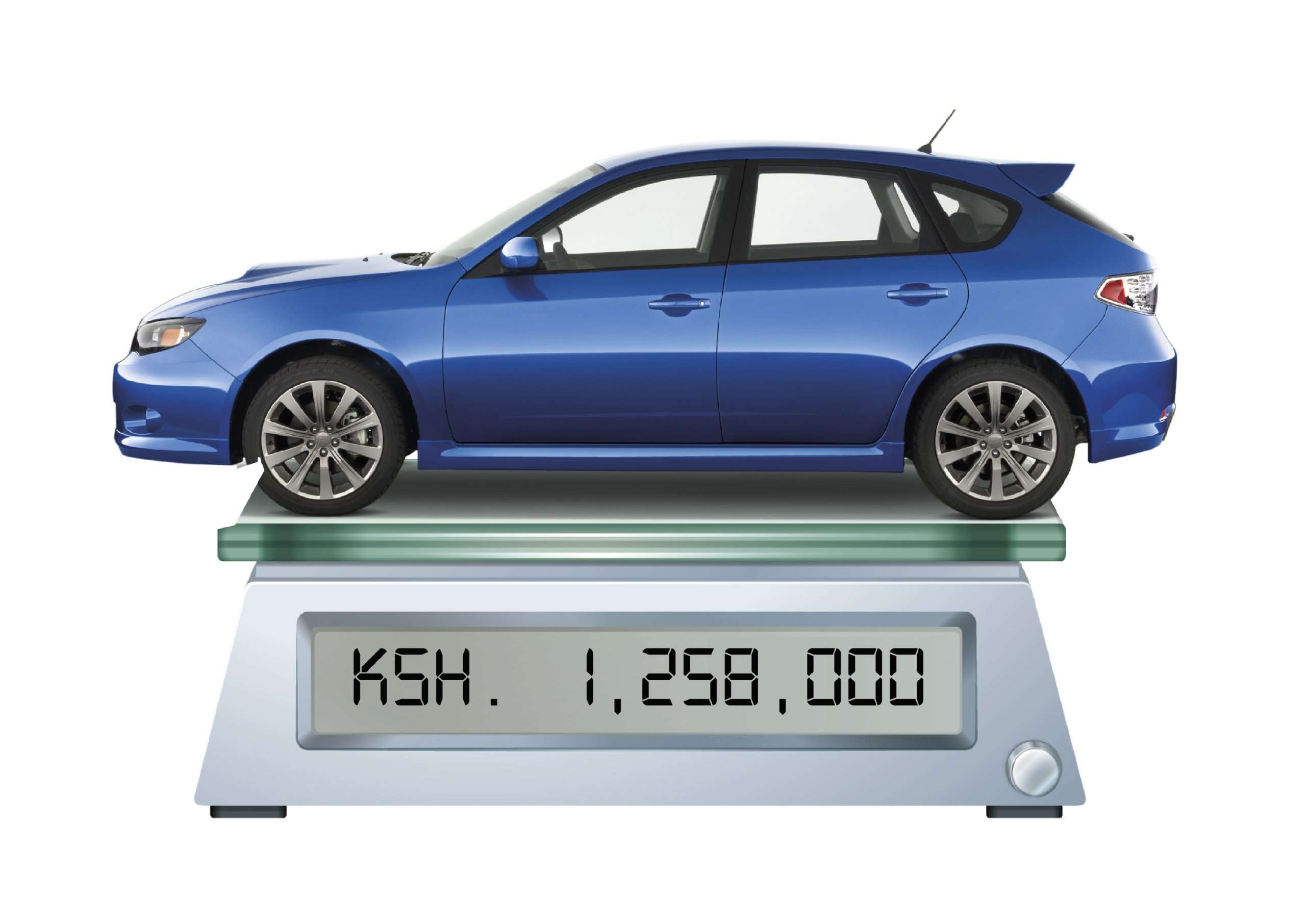
For most buyers, the figure on a car’s advertisement feels like the final word. But in the world of motoring, price is only the opening line. Professionals across insurance, safety, finance, and engineering know that a vehicle’s true worth is shaped by what lies beneath the surface and by how that vehicle will actually be used.
The hidden story behind every car
Two cars can command the same price and yet be worlds apart once you lift the bonnet or examine their histories. One may have a clean service record, genuine mileage, and components that have been cared for. The other may have been in a collision, spent years on rough terrain, or received questionable repairs that don’t show up at first glance.
These are the factors that carry real weight. They influence safety, performance, and longevity far more than the selling price ever can.
Click here for a professional vehicle valuation
Condition, not cosmetics, determines worth
International standards, including those upheld under the FIA mobility and safety framework place the highest premium on mechanical integrity. The condition of a vehicle’s chassis, suspension, braking system, electrics, and structural frame is the true foundation of value.
Yet these are the areas many motorists overlook. A polished dashboard or a new set of rims can disguise a car that is rapidly depreciating in safety and reliability. A professional valuation looks past aesthetics and examines the systems that keep a vehicle stable at high speeds, responsive during emergencies, and durable over time.
Most people would be surprised to learn that something as simple as uneven tyre wear, a minor chassis bend or a poorly performed repair job can significantly alter a car’s value, and its crash performance.
Why one car can have many values
A vehicle does not have a single fixed value. It changes depending on the lens you use.
- Insurance valuation focuses on repairability, accident history, and realistic depreciation.
- Financiers look at long-term reliability and liquidation value.
- Fleet managers prioritise operational cost, service intervals, and downtime risk.
- Buyers and sellers consider demand, brand reputation, and overall condition.
This diversity is why price tags can be misleading. They serve as a reference, and not a verdict.
AA Kenya provides an essential service by offering independent, purpose-specific vehicle valuations. AA assesses vehicles differently depending on what they’re being valued for; insurance, resale, financing, or road-worthiness and evaluates them according to their condition, documented history, and intended use.
This approach protects motorists from overpaying, underinsuring, or unknowingly taking on mechanical liabilities. It also ensures road users stay aligned with safety and compliance standards that many motorists rarely think about until it is too late.
A car that costs less today but demands constant repairs, burns more fuel, or compromises safety is far more expensive in the long run. Conversely, an older, well-maintained vehicle can outlast and outperform a newer but poorly treated one.
A price tag is a moment in time. Value is a combination of past care, present condition, and future cost.
The next time you see a car advertised at an attractive price, ask yourself a more important question: What is its real story, and who has verified it?
Click here to book a professional vehicle valuation from AA Kenya