
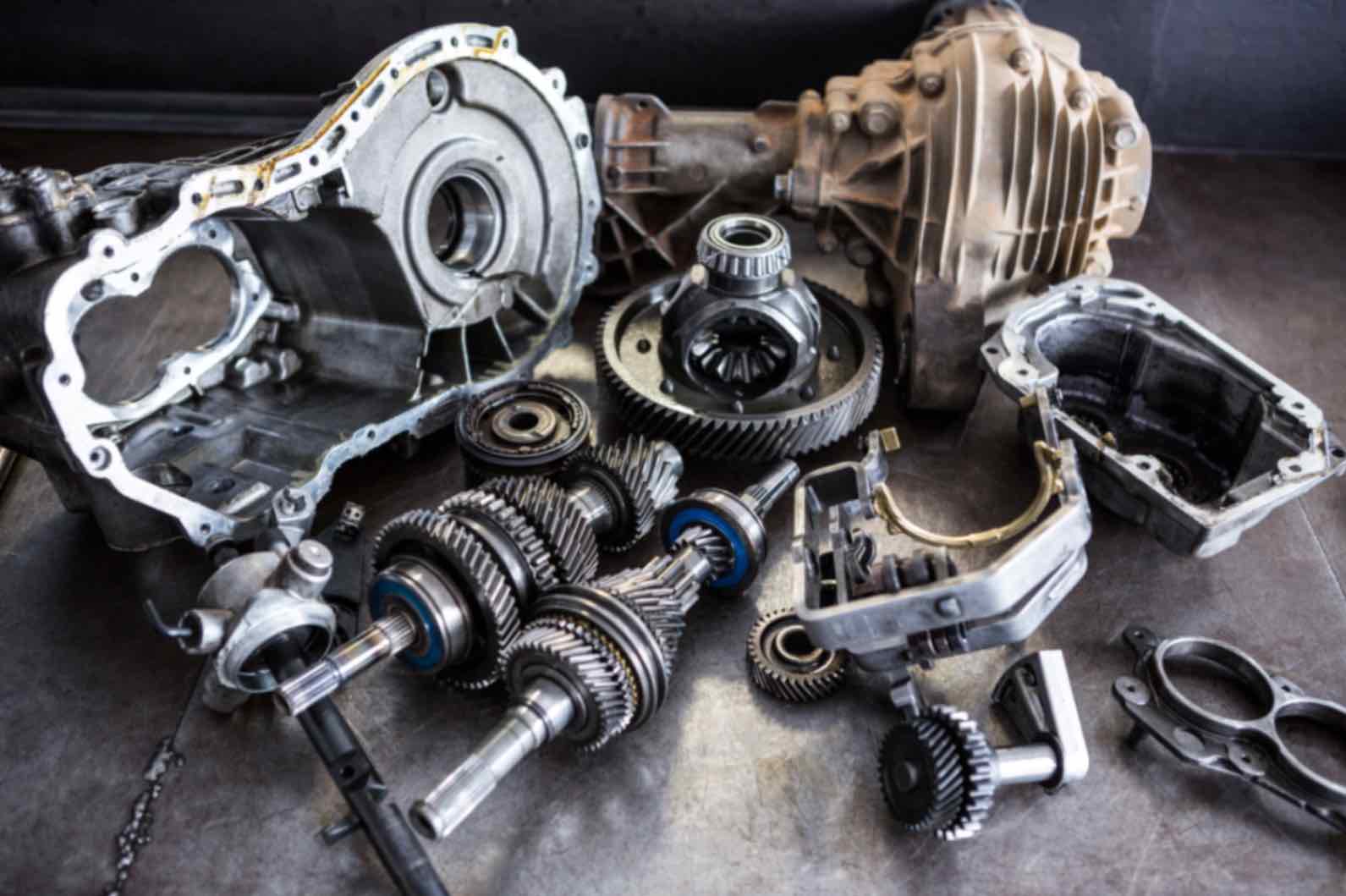
Few things strike fear into a motorist’s heart like the words: “Your gearbox needs replacement.”
Unlike routine maintenance items such as tyres, brake pads or engine oil, a gearbox is one of the most expensive components in a vehicle. Depending on the model, repairs can run into hundreds of thousands of shillings, while a complete replacement can cost even more.
Yet many gearbox failures are preventable. The problem is that unlike engines, which often give obvious warning signs when something is wrong, transmissions tend to fail quietly. By the time the symptoms become severe, the damage is usually already done.
And nowhere is this more common than with the increasingly popular Continuously Variable Transmission (CVT).
Understanding the Gearbox’s Role
The gearbox is responsible for transferring power from the engine to the wheels while ensuring the engine operates within its most efficient speed range.
Whether you drive a conventional automatic, manual, dual-clutch transmission (DCT) or CVT, the gearbox works constantly whenever the vehicle is moving.
Every acceleration, hill climb, traffic jam and overtaking manoeuvre places demands on the transmission.
Proper maintenance is therefore not optional but essential.
Why Modern Gearboxes Are More Sensitive Than Ever
Today’s transmissions are far more complex than those found in vehicles from two decades ago.
Manufacturers have focused heavily on fuel efficiency and emissions reduction. As a result, modern gearboxes rely on sophisticated hydraulic systems, electronic control modules, sensors and precisely formulated transmission fluids.
A gearbox that is neglected, overheated or operated with contaminated fluid can deteriorate surprisingly quickly.
Unfortunately, many motorists still believe outdated myths such as:
- Automatic transmissions have “lifetime” fluid.
- Gearbox oil never needs changing.
- Any transmission fluid will do.
- Minor gearbox jerks are normal.
In reality, these assumptions can lead to catastrophic failures.
The Rise of the CVT
Over the last decade, CVT transmissions have become increasingly common in the Kenyan market, particularly in imported vehicles from Japan.
Models such as the Nissan X-Trail, Nissan Note, Nissan Dualis, Nissan Juke, Toyota Corolla Fielder Hybrid, Toyota Axio Hybrid, Honda Fit, Honda Vezel and Subaru Levorg have helped make CVTs a familiar feature on Kenyan roads.
Unlike traditional automatics that shift between fixed gears, a CVT uses a belt or chain running between variable-diameter pulleys.
Instead of moving from first gear to second gear and so on, the system continuously adjusts ratios to keep the engine operating at its most efficient speed.
The benefits are clear:
- Better fuel economy
- Smooth acceleration
- Reduced engine strain
- Lower emissions
However, these advantages come with stricter maintenance requirements.
Why CVTs Have Earned a Bad Reputation
Ask mechanics about failed gearboxes and CVTs often dominate the conversation.
The transmission itself is not necessarily flawed. The problem is that many owners unknowingly neglect them.
Several factors contribute to premature CVT failure:
Ignoring Fluid Changes
CVT fluid is not ordinary automatic transmission fluid.
It performs multiple critical functions, including lubrication, cooling and transmitting hydraulic pressure throughout the transmission.
Over time, heat degrades the fluid and reduces its protective properties. Once the fluid deteriorates, wear accelerates rapidly. Many manufacturers recommend inspections at regular intervals, while replacement schedules vary depending on driving conditions. Severe operating environments such as heavy traffic, towing or frequent hill climbing often require more frequent fluid changes.
Using the Wrong Fluid
This is one of the quickest ways to destroy a CVT.
Each manufacturer specifies particular fluid formulations designed for its transmission.
Using generic fluid or the wrong specification can affect pulley operation, belt grip and hydraulic pressure.
A short-term saving at the service bay can lead to a long-term financial disaster.
Excessive Heat
Heat is the enemy of every transmission.
CVTs are particularly sensitive to high operating temperatures.
Frequent stop-and-go traffic, carrying heavy loads, aggressive acceleration and neglected cooling systems can all increase transmission temperatures.
Overheating accelerates fluid breakdown and internal wear.
Delayed Maintenance
Many imported vehicles arrive in Kenya with uncertain service histories.
A vehicle showing 80,000 kilometres on the odometer may have covered significantly more distance before export.
Assuming maintenance is up to date simply because the vehicle appears clean can be an expensive mistake.
Warning Signs Your Gearbox Needs Attention
Gearboxes rarely fail overnight.
Most provide warning signs long before major damage occurs.
Pay attention if you notice:
Delayed Engagement
The vehicle hesitates before moving after selecting Drive or Reverse.
Shuddering During Acceleration
A vibration or judder when pulling away may indicate internal wear or fluid issues.
Unusual Noises
Whining, humming or grinding sounds should never be ignored.
Rising Engine Revs Without Acceleration
The engine speed increases but vehicle speed does not increase proportionally.
Dashboard Warning Lights
Modern vehicles monitor transmission performance electronically. Any transmission warning should be investigated promptly.
Burning Smell
Overheated transmission fluid often produces a distinctive burnt odour.
Habits That Help Your Gearbox Last Longer
Good driving habits can dramatically extend transmission life.
Warm Up Gently
Modern vehicles do not need lengthy warm-ups, but driving gently during the first few kilometres allows fluids to reach operating temperature.
Come to a Complete Stop Before Changing Direction
Never shift from Reverse to Drive or Drive to Reverse while the vehicle is still moving.
This places unnecessary shock loads on internal components.
Avoid Aggressive Acceleration
Repeated hard launches create excessive heat and wear, particularly in CVTs.
Service the Cooling System
A healthy cooling system helps control both engine and transmission temperatures.
Follow Manufacturer Recommendations
Always use the correct transmission fluid and adhere to service schedules.
The Cost of Prevention vs The Cost of Repair
A transmission fluid service may cost a fraction of what a gearbox rebuild or replacement will eventually require. Yet many motorists postpone maintenance because the vehicle still seems to be driving normally.
Unfortunately, transmission damage often accumulates silently. By the time obvious symptoms appear, the repair bill is usually much larger than the cost of preventive maintenance.
The Bottom Line
Modern gearboxes are engineering marvels, capable of delivering smooth performance and impressive fuel economy. But they demand proper care.
This is especially true for CVTs, which have become increasingly common in the Kenyan market. While they can provide years of reliable service, they are far less forgiving of neglected maintenance than traditional transmissions.
The most expensive gearbox repair is often the one that could have been prevented by a simple fluid change.
If you cannot remember the last time your transmission was inspected, now might be the perfect time to start. Your gearbox and your bank account will thank you for it.