
By Timothy Albrite
Over the past few weeks, Kenyans, like motorists around the world, have been talking constantly about fuel. There have been reports of shortages, fears of price increases, and mixed messages from industry players and authorities.
Fuel shortages in some places
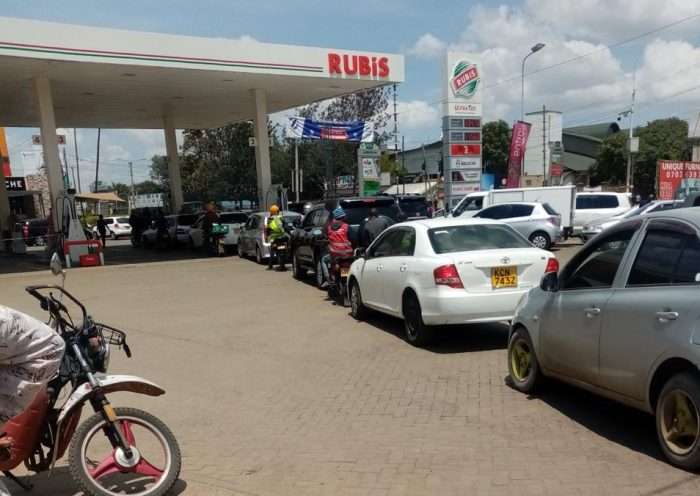
Motorists in parts of Nairobi and other towns have recently struggled to find petrol and diesel at a number of outlets. Some Shell service stations reported temporarily running out of fuel, leaving motorists frustrated and queuing at outlets that still had stock.
Vivo Energy Kenya the distributor and marketer of Shell fuel in the country issued a formal statement addressing what it described as temporary fuel stock‑outs at some Shell service stations. The company said the shortages were due to a surge in demand, that they only affected select outlets, and that its teams were working to restock and stabilise availability quickly.
Rumours of rising prices
Amid rumours on social media that fuel prices were about to spike, the Energy and Petroleum Regulatory Authority (EPRA) has so far kept pump prices unchanged in the most recent pricing cycle. That freeze came even as global crude oil costs rose and fears of rising transport costs spread among the public.
That has helped dampen, for now, the very price‑increase panic that fuel dealers and some commentators anticipated.
Fuel dealers and industry concerns
Some industry voices have expressed unease about the freeze in prices. Independent fuel retailers and associations warned that if pump prices stay the same while global costs rise, dealers might be tempted to hoard fuel or reduce supply in hopes of shifting more profit to future pricing cycles. This behaviour, they argued, could make shortages worse and tighten local availability.
Government’s response
The government has stepped into the conversation too, reminding oil companies of their obligation to maintain supply and refrain from hoarding while also insisting there is enough fuel in the country to meet demand. Officials have warned companies against speculative behaviours, saying any firm that withholds stocks to advantage itself could face sanctions.
In a statement issued on March 30, the president acknowledged that the ongoing conflict in the Gulf is already affecting global supply chains, with ripple effects being felt in Kenya and across Africa. He noted that rising international oil prices are beginning to impact consumers worldwide, but emphasised that Kenya has, so far, been shielded.
According to the President, the government-to-government fuel procurement arrangement has played a key role in cushioning the country from immediate shocks, helping to stabilise prices and maintain supply.
He added that the government is actively assessing global fuel trends and working on measures to moderate any potential impact while ensuring adequate supply is maintained.
Withdrawal of Controversial Fuel Consignment
In a significant move, Energy Cabinet Secretary Opiyo Wandayi has ordered the immediate withdrawal of a controversial fuel consignment imported by One Petroleum Limited. In a statement on April 7, CS Wandayi revealed that this consignment was priced at KSh 198,000 per metric tonne, far above the KSh 140,000 per metric tonne established under the government-to-government (G-to-G) arrangement. Allowing this fuel into the market could have triggered an estimated price increase of KSh 14 per litre. Wandayi directed that the consignment be removed from the country as soon as possible and instructed EPRA to exclude it from monthly fuel pricing calculations. He also mandated One Petroleum Limited to withdraw all invoices issued to oil marketing companies and raise credit notes, ensuring that no payments are made for this cargo.
Looking forward
Kenya depends heavily on imported fuel supplies and does not hold large strategic reserves, which makes it sensitive to global market shocks, whether from geopolitical events like the conflict around the Strait of Hormuz, or from logistical bottlenecks at key ports and refineries.
For motorists and transport businesses, the best immediate advice from industry watchers is to plan ahead, and monitor official updates from EPRA, the Ministry of Energy, and AA Kenya.
Fuel prices trend in Kenya:
| Dates | Super Petrol | Diesel | Kerosene |
| 15th Jan 2025 | 176.58 | 167.06 | 151.39 |
| 15th Feb 2025 | 176.58 | 167.06 | 151.39 |
| 15th March 2025 | 176.58 | 167.06 | 151.39 |
| 15th April 2025 | 174.63 | 164.86 | 148.99 |
| 15th May 2025 | 174.63 | 164.86 | 148.99 |
| 15th June 2025 | 177.32 | 162.91 | 146.93 |
| 15th July 2025 | 186.31 | 171.58 | 156.58 |
| 15th August 2025 | 185.31 | 171.58 | 155.58 |
| 15th September 2025 | 184.52 | 171.47 | 154.78 |
| 15th October 2025 | 184.52 | 171.47 | 154.78 |
| 15th November 2025 | 184.52 | 171.47 | 154.78 |
| 15th December 2025 | 184.52 | 171.47 | 154.78 |
| 15th January 2026 | 182.52 | 170.47 | 153.78 |
| 15th February 2026 | 178.28 | 166.54 | 152.78 |