
By Timothy Albrite
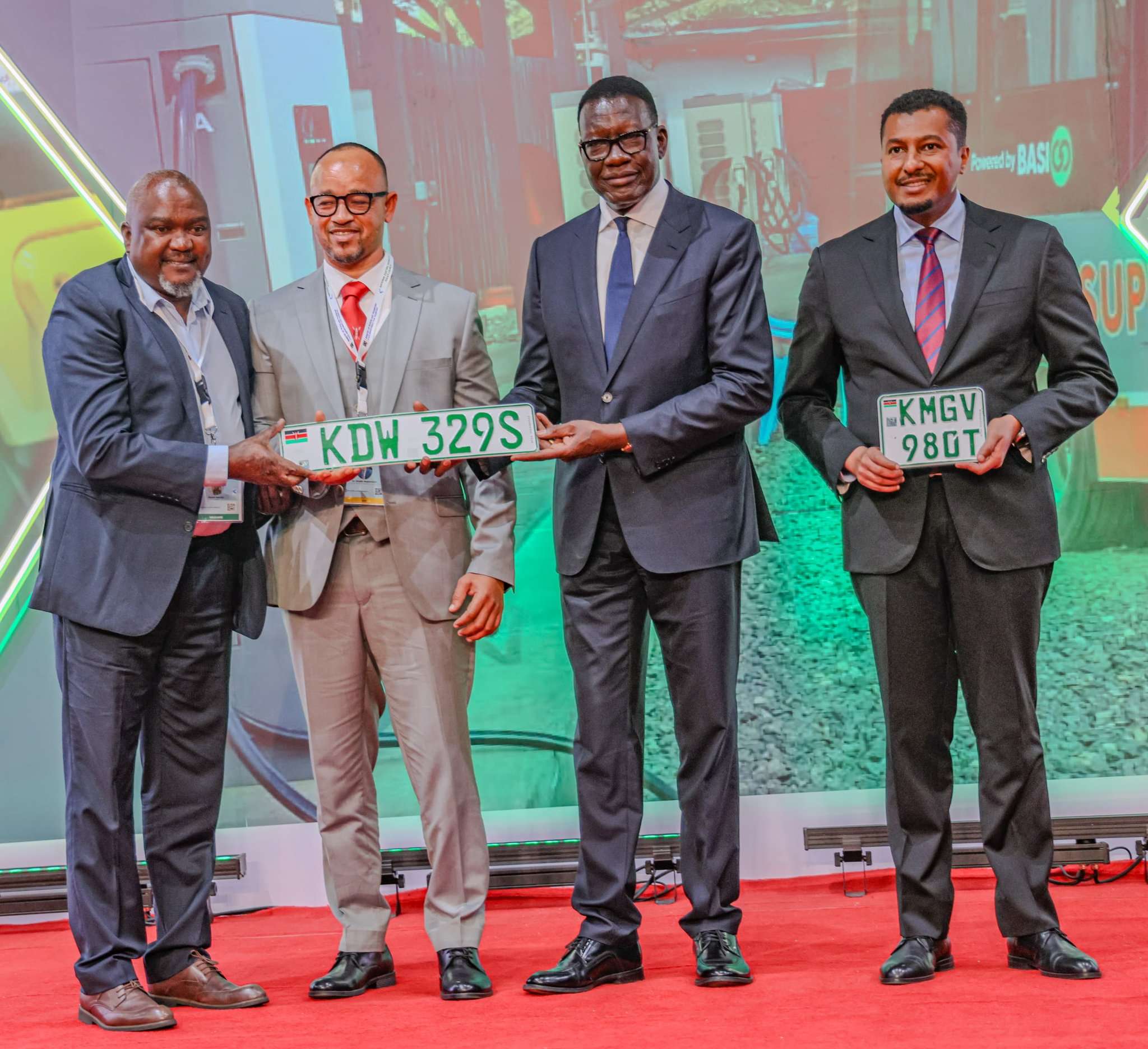
The Government has officially unveiled the National Electric Mobility Policy, setting out a roadmap to accelerate the adoption of electric vehicles (EVs) and reduce the transport sector’s dependence on fossil fuels.
Transport currently accounts for about 13 per cent of Kenya’s greenhouse gas emissions, with road transport the largest contributor. The policy aligns with Kenya’s climate commitments, including the target to cut emissions by 32 per cent by 2030.
Focus on Local Manufacturing
A central pillar of the policy is the promotion of local assembly and manufacturing of electric vehicles and components. Government plans to:
- Support domestic EV assembly plants
- Develop a local supply chain for EV parts
- Encourage technology transfer and innovation
This is expected to create jobs, reduce import costs and position Kenya as a regional hub for e-mobility.
Charging Infrastructure and Power Supply
The policy prioritises the rapid expansion of EV charging infrastructure nationwide, including:
- Public charging stations
- Support for private sector charging networks
- Integration of EV charging into buildings and public spaces
Government also commits to ensuring a reliable electricity supply, leveraging Kenya’s renewable energy mix, where about 90 per cent of power comes from clean sources such as geothermal, hydro and wind.
Incentives for Manufacturers and Consumers
To stimulate uptake, the policy introduces both fiscal and non-fiscal incentives, including:
- Tax and duty incentives for EV manufacturers and assemblers
- Incentives for charging infrastructure developers
- Consumer incentives to reduce the upfront cost of EVs
Special consideration will be given to public transport operators, electric motorcycles, and fleet users.
Skills, Safety and Standards
The policy provides for:
- Development of technical skills for EV manufacturing, maintenance and operation
- Updated safety and quality standards for vehicles, batteries and charging systems
- Responsible battery disposal and recycling
Training programmes will target technicians, mechanics and engineers along the EV value chain.
Public Transport and Two-Wheelers
Government will promote the integration of EVs into public transport, including buses and motorcycles, recognising that two- and three-wheelers are already driving early adoption.
By 2027, electric motorcycles are expected to form a significant share of new registrations.
Inclusive Growth and Financing
The policy also aims to:
- Promote gender equality and social inclusion in the e-mobility ecosystem
- Improve access to finance for EV users and businesses
- Develop alternative road funding mechanisms to reduce reliance on fuel levies as fuel consumption declines
Monitoring and Targets
An institutional framework will oversee implementation, with:
- Clear transition targets for different vehicle categories
- Regular monitoring and evaluation
- Coordination between transport, energy and industrial sectors
Bottom Line
The National Electric Mobility Policy provides Kenya with a structured pathway toward a cleaner, cheaper and locally driven transport future. Its success will depend on sustained investment, strong regulation, and coordinated rollout of charging infrastructure and incentives.
For motorists, fleet operators and manufacturers, the policy signals that electric mobility is no longer experimental as it is now official government policy.